Restorative dentistry · 5 min read
A traditional crown usually takes two appointments: one to prepare the tooth and take an impression, and a second to place the finished crown after it has been made elsewhere. A same-day crown is designed, made and placed in one visit whenever that is appropriate. Here is what that looks like and what to ask.

At a glance
- A crown is a cap that covers and protects a damaged tooth.
- With CEREC technology, the crown is made in the office from a digital scan.
- In many cases there is no second appointment and no temporary crown.
- Not every tooth is a candidate, and your dentist will tell you if another approach is better.
What a crown does
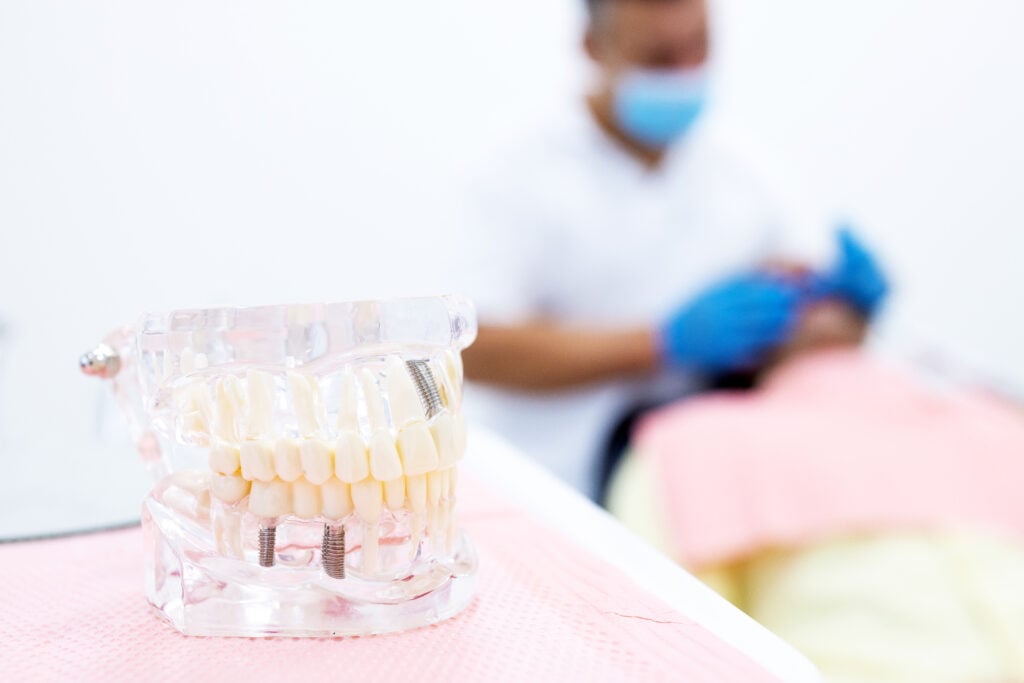
A crown covers a tooth. It can rebuild a tooth that is cracked, worn down or heavily filled, protect what remains underneath, and restore how the tooth looks and works. Ceramic crowns can be matched to the shade of your natural teeth.
A traditional crown
- First visit: the tooth is prepared and an impression is taken
- A temporary crown protects the tooth while the crown is made elsewhere
- Second visit: the finished crown is placed
A same-day crown
- The tooth is prepared and scanned digitally
- The crown is designed and milled in the office
- Placed the same day whenever appropriate

How a same-day crown works
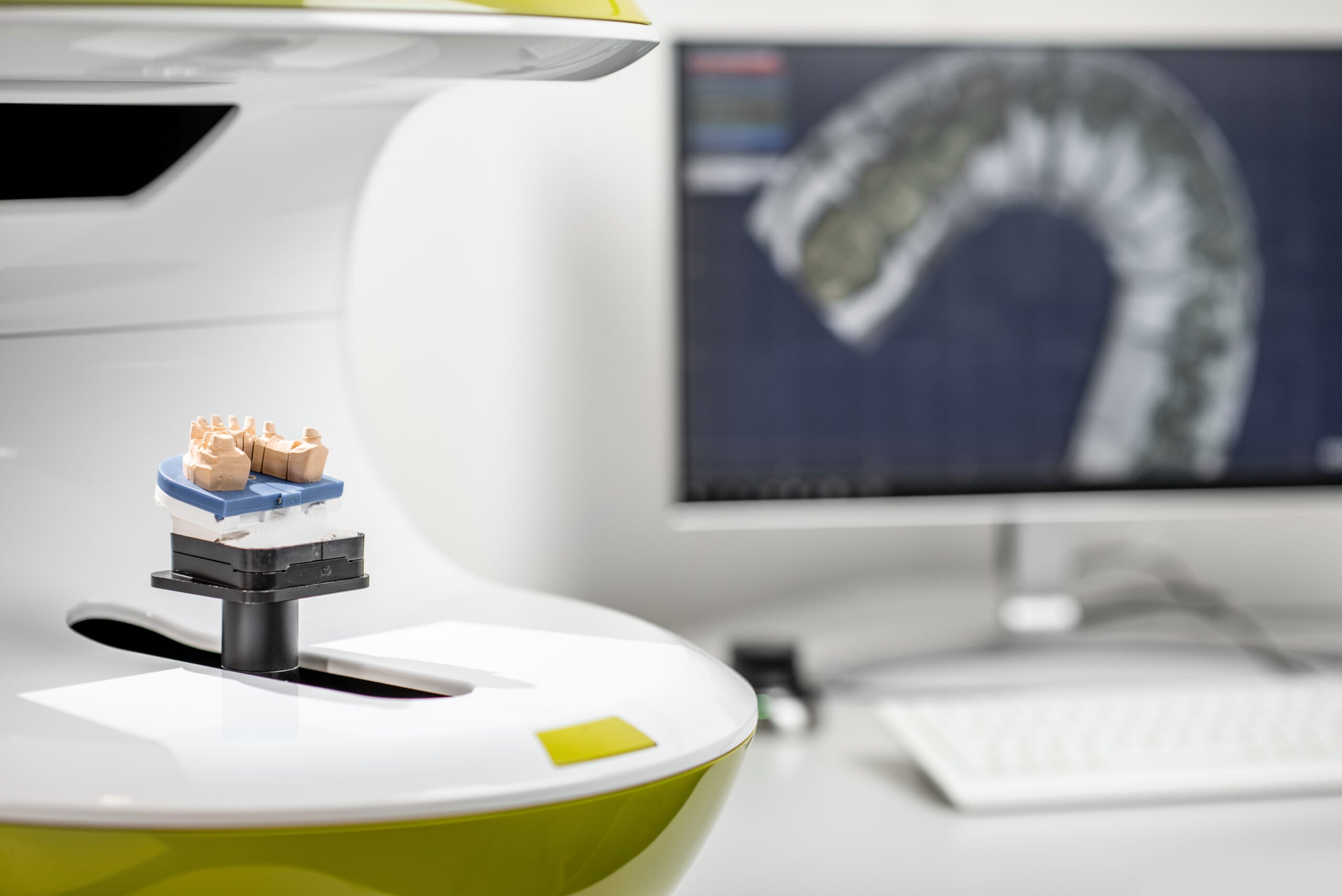
The difference is where the crown is made. Instead of being sent to an outside lab, it is designed and milled in the dental office while you are there. The steps look like this:
- Exam and planning. Your dentist confirms the tooth is a good candidate and numbs the area.
- Preparing the tooth. Decay or damaged structure is removed and the tooth is shaped to hold the crown.
- Digital scan. A 3D scan captures the tooth, so no tray of impression material is needed.
- Design. The crown is designed on a computer from the scan to fit your bite and the teeth beside it.
- Milling. The crown is milled from a ceramic block in the office.
- Placement. Your dentist checks the fit and bite, makes any adjustments, and places the crown.
Key takeaway
According to our CEREC one-visit dentistry page, the crown is designed, made and placed in a single visit whenever appropriate, and in many cases there is no second appointment.


What many patients appreciate
- One appointment in many cases, instead of two
- No temporary crown in many cases, so there is nothing to protect between visits
- No impression material, which many people dislike
- Ceramic that blends with your natural teeth
When a same-day crown may not be the answer
Not every tooth or situation suits a one-visit crown. Your dentist may recommend a different approach if:
- The neighboring teeth already have large fillings or crowns, so using them costs little
- Bone or health factors make an implant harder
- You want a quicker process
- Upfront cost is a bigger concern for you option, and your gums are healthy
If another approach is a better choice for your tooth, your dentist will tell you why.
After your crown is placed
Your dentist will give you instructions for your own case. It is common for numbness to take a while to wear off, so take care when eating until it does. Keep brushing and flossing as usual, because the tooth under a crown can still decay where the crown meets the tooth. Call the office if your bite feels off or if sensitivity does not settle.
Practical advice
When you book, ask how long to plan for the appointment. The visit is longer than a routine filling because your crown is made while you are in the office.
Frequently asked questions
How long does a same-day crown appointment take?
Plan for more time than a routine filling, since the crown is made during the visit. The length depends on the tooth, so ask the office when you book.
What is a same-day crown made of?
Our CEREC page describes strong, natural-looking ceramic. The right material can depend on the tooth, so ask Dr. Carnicella which is recommended for yours and why.
Will insurance cover it?
Many plans cover part of the cost of a crown, but coverage varies by plan. Contact the office to ask about yours before treatment.
Do I need a crown or a filling?
If enough healthy tooth remains, a filling may be enough. If the tooth is cracked, worn or heavily filled, a crown may protect it better. Your dentist can explain why they recommend one over the other.
Same-day crowns
Think you may need a crown?
Request an appointment and our team can examine the tooth and talk through your options, including whether a same-day crown is a good fit.
Visit us212 Kenlee Dr.
Bellefonte, PA 16823
HoursMon–Thu 8:00 AM–4:00 PM
Friday by appointment only
Closed Saturday and Sunday
This article is general information, not medical advice. Only an exam can tell you which treatment your tooth needs.
Sources
Centre Dental Care: Our technology
National Institute of Dental and Craniofacial Research: Periodontal (Gum) Disease