If your dentist has told you that you have low bone density in your jaw, you may wonder whether dental implants are still an option. It is a common concern. Dental implants need a stable foundation in the jawbone, so hearing that your bone may not be strong or dense enough can make you think implants are no longer possible.
The good news is that low bone density does not automatically mean you cannot get dental implants. Depending on the amount and location of bone loss, your dentist or oral surgeon may be able to prepare the area or use a different implant approach. The right treatment depends on your individual bone structure, oral health, medical history, and the location of your missing teeth.
Why Does Bone Density Matter for Dental Implants?
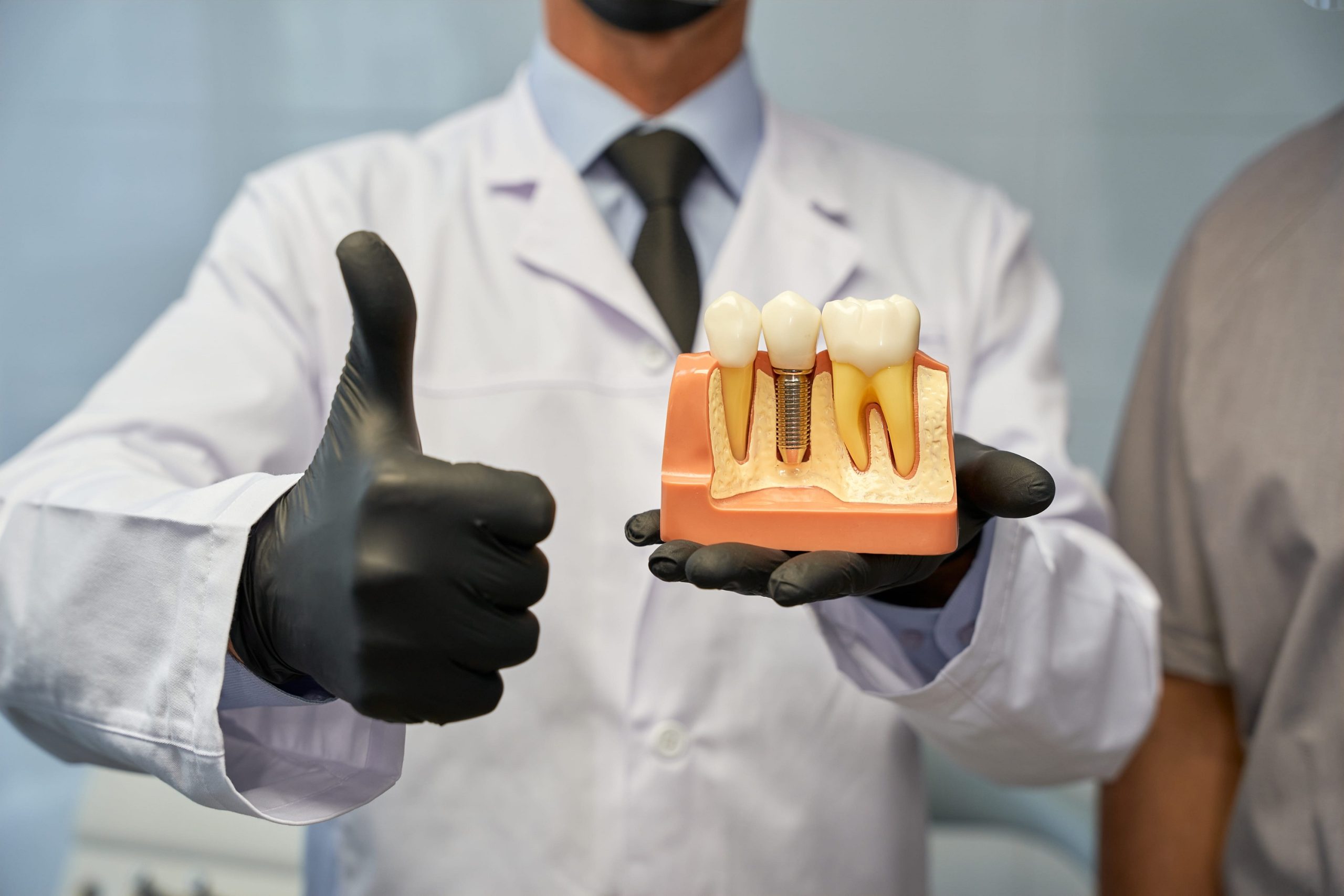
Dental implants rely on osseointegration, a process in which the jawbone grows around the implant and helps keep it secure. For this to happen successfully, there must be enough healthy bone to provide proper support.
Jawbone loss can result from missing teeth, gum disease, infections, trauma, aging, or prolonged tooth loss. While low bone density can be linked to conditions such as osteoporosis, overall bone density and localized jawbone loss are not the same. Your dentist will evaluate your jawbone to determine whether an implant can be placed safely.
Bone Grafting Can Help Build a Stronger Foundation
If there is not enough bone to support an implant, your dentist may recommend bone grafting. This procedure adds bone material to an area where additional bone volume is needed. Bone graft material can come from different sources, including donor material or synthetic alternatives, depending on your individual needs and treatment plan.
After the graft is placed, the area needs time to heal and develop sufficient strength. In some cases, an implant can be placed during the same procedure, while in others, your dentist may recommend waiting for the graft to heal first. Healing time varies depending on the amount of grafting required and your individual circumstances. Although bone grafting can make the overall treatment process longer, it may provide a stronger and more suitable foundation for successful implant placement.
What Other Options Are Available?
Bone grafting is not the only possible approach for patients with reduced bone volume or density. The best option depends on where the bone loss is located, how extensive it is, and what type of tooth replacement is needed.
- Sinus lifts may be considered when there is not enough bone in the upper back jaw. As bone is lost in this area, the sinus can occupy more of the available space. A sinus lift raises the sinus membrane and creates room for additional bone material when appropriate.
- Mini dental implants are narrower than conventional implants and may be suitable for certain patients and restorations. However, they are not automatically a solution for every person with bone loss. Your dentist will need to determine whether they can provide adequate support for your particular treatment.
- Zygomatic implants are a specialized option for some patients with severe bone loss in the upper jaw. Rather than relying primarily on the weakened jawbone, these implants are anchored in the cheekbone. They require specialized training and are generally considered when conventional implant treatment may not be suitable.
- Full-arch treatments such as All-on-4 use strategically positioned implants to take advantage of the bone that is available. For some patients, this approach may reduce the need for extensive bone grafting.
How Do Dentists Determine If You Have Enough Bone?
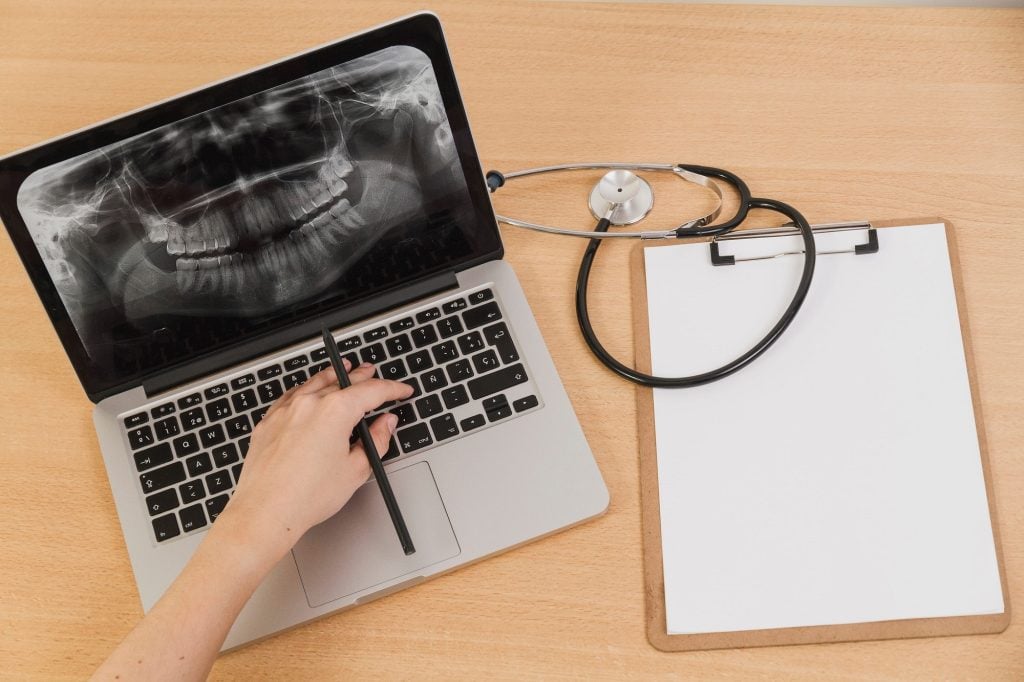
A regular dental examination may not provide enough information to determine whether you have sufficient bone for implants. Your dentist or oral surgeon may recommend a 3D CBCT scan to create detailed images of your jaw.
This scan can show the height and width of the available bone and help your dental team identify important structures near the planned implant site. It can also help determine whether bone grafting or another procedure is needed.
Your dentist may also consider your gum health, existing infections, smoking habits, medications, overall health, and the number and location of missing teeth.
The Bottom Line
Low bone density can make dental implant treatment more challenging, but it does not necessarily mean implants are impossible. Modern implant dentistry offers several approaches for patients who have reduced bone volume or density, including bone grafting, sinus lifts, specialized implant techniques, and full-arch treatment options.
The most important step is getting an individualized evaluation rather than assuming that low bone density automatically disqualifies you. A detailed examination and 3D CBCT scan can help your dentist or oral surgeon understand your jawbone and recommend the safest and most appropriate approach.
If you have been told that you have low bone density, don’t assume that dental implants are off the table. Speak with a qualified dental implant provider to discuss your bone health, treatment options, and what may be needed to create a stable foundation for your replacement teeth.
Frequently Asked Questions
Can you get dental implants with low bone density?
Yes, some people with low bone density can still receive dental implants. Your dentist will evaluate the amount and quality of available bone and determine whether additional treatment, such as bone grafting, is needed.
Does osteoporosis mean you cannot have dental implants?
No. Osteoporosis does not automatically prevent someone from getting dental implants. However, your dentist should review your bone health, medications, medical history, and jawbone condition before treatment.
How long does a bone graft take to heal before an implant?
Healing time varies depending on the type and extent of grafting and the individual patient. Some grafts may require several months of healing before implant placement. Your dentist can provide a more specific timeline after evaluating your jaw.
What scan is used to check bone for dental implants?
A 3D CBCT scan is commonly used for dental implant planning. It provides detailed images that allow the dental team to assess bone height, width, and nearby anatomical structures.