Losing a tooth changes more than just your smile. It can affect how you chew, how you speak, and how confident you feel in everyday conversations. Dental implants are one of the most reliable ways to restore both function and appearance, but the long-term success of the procedure depends heavily on the specialist you choose. Understanding how to find the right dental implant specialist in and around Bellefonte can help you avoid complications and get results that actually last.
What Does a Dental Implant Specialist Actually Do?
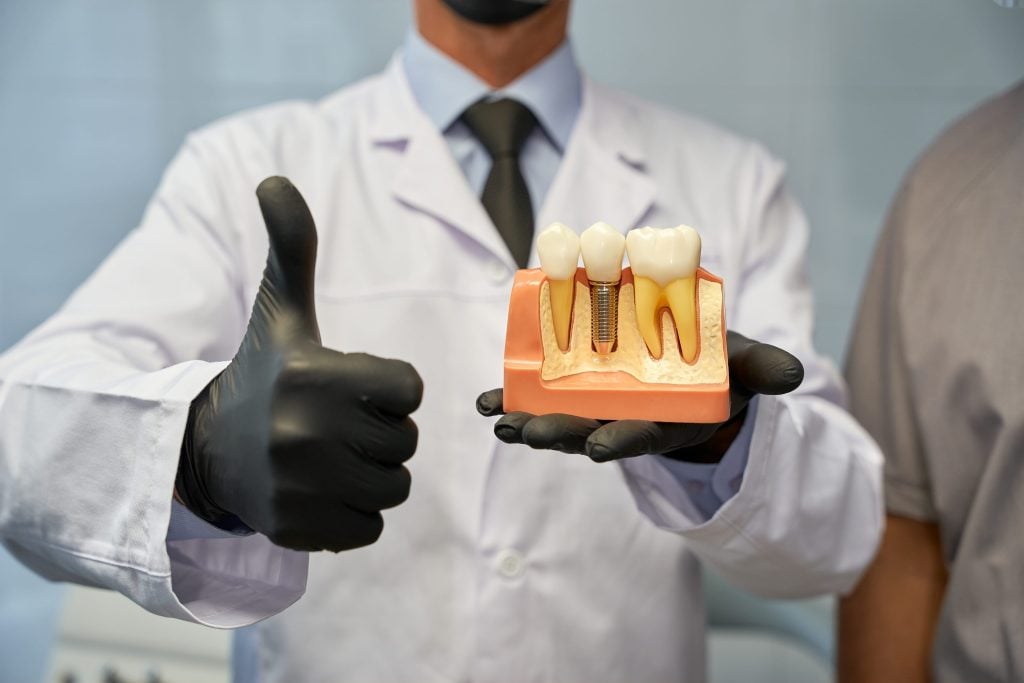
A dental implant specialist plans and places a titanium or zirconia post into the jawbone, where it fuses with the bone over time and acts as an artificial tooth root. Once healed, that post supports a crown, bridge, or full denture, depending on what you need.
This isn’t a one-size-fits-all procedure. It requires careful imaging, an honest evaluation of your bone density and gum health, and a treatment plan built around your specific mouth. Some patients need bone grafting before an implant can even be placed. Others are candidates for a more straightforward, quicker process. The specialist you choose should be able to explain exactly where you fall on that spectrum, and why.
Key Factors to Consider When Choosing a Specialist
Specialized Training and Implant Experience
Any licensed dentist can technically place a dental implant, but that doesn’t mean every dentist should. The best outcomes generally come from oral surgeons, periodontists, or prosthodontists who’ve completed additional years of training focused specifically on implants, bone structure, and surgical technique.
Don’t be shy about asking direct questions: How many implants have they placed? Do they hold any advanced credentials in implant dentistry? A specialist confident in their experience will answer without hesitation.
Modern Technology and Digital Planning
Good implant dentistry starts well before anyone touches a drill. Look for practices that use 3D Cone Beam CT (CBCT) imaging to map your jawbone density, nerve positioning, and sinus location. This kind of detailed planning is what separates a precisely guided placement from guesswork.
If a practice is still relying purely on traditional 2D X-rays for implant work, that’s worth questioning, especially for anything beyond the simplest single-tooth case.
A Thorough, Unhurried Consultation
Your first consultation shouldn’t feel rushed or like a sales pitch. A good specialist will review your medical history, examine your bone and gum health, and explain your options in plain language rather than jargon.
You should leave that appointment understanding your treatment timeline, your candidacy, and your alternatives without feeling pressured to commit on the spot. If something feels rushed, that’s a signal to look elsewhere.
Patient Reviews and Local Reputation
Star ratings alone don’t tell you much. Read the written reviews and look for specific mentions of implant procedures, not just general dental visits. Comments about pain management, communication, and how complications were handled tend to be far more revealing than a simple star average.
In a smaller community like Bellefonte, word of mouth carries extra weight too. Ask your regular dentist, friends, or neighbors; chances are someone has already been through the process and can point you toward, or away from, a specific provider.
Location and Practical Logistics
Bellefonte itself has a limited number of specialists, so it’s worth considering how far you’re willing to travel if your case is more complex. A short drive to State College or a nearby town might be worth it for the right level of expertise.
Keep in mind that implant treatment isn’t a single appointment. It usually involves a consultation, surgical placement, healing check-ins, and a final restoration visit spread across several months. Choosing someone realistically reachable makes it far more likely you’ll keep every follow-up, which directly affects healing and long-term success.
Transparent Costs and Financing
Ask for a detailed cost breakdown that includes imaging, the implant itself, any bone grafting, temporary restorations, and the final crown. A reputable practice will lay this out clearly rather than giving vague estimates.
Dental insurance coverage for implants varies quite a bit, so it’s worth calling your provider directly rather than assuming what’s included. Many practices also offer financing options or in-house payment plans if needed.
Do You Need Additional Treatment First?
Some patients need to address other oral health concerns before receiving dental implants. Gum disease, inadequate bone volume, certain medical conditions, and lifestyle factors can affect treatment planning and healing.
Having bone loss does not automatically mean dental implants are impossible. Bone grafting or other procedures may sometimes be considered to improve the available support. A dental professional can determine whether additional treatment is appropriate after evaluating your individual situation.
Conclusion
Finding the right dental implant specialist in Bellefonte, PA, is about looking beyond convenience and price. Consider the provider’s implant experience, training, approach to treatment planning, use of appropriate technology, communication, and follow-up care.
Take time to ask questions during your consultation and make sure you understand the recommended treatment before moving forward. A thorough evaluation and personalized plan can help make the dental implant process clearer and more manageable.
Frequently Asked Questions
How can a patient tell if a dentist is truly qualified to place implants, not just offer them?
Look into their specific training beyond dental school, how many implants they’ve placed, and whether they hold advanced credentials in implant dentistry. Oral surgeons, periodontists, and prosthodontists typically have the most specialized training.
Is it better to see a specialist or a general dentist for implants?
Both can perform implant procedures successfully, but specialists have deeper training in the surgical and bone-related aspects of treatment. For complex cases, such as those needing bone grafting, a specialist is usually the safer choice.
How long does the entire implant process take?
Traditional implants often take three to six months from placement to final crown, depending on healing. Some patients qualify for a shorter timeline, though this depends on individual bone health and the case itself.
Does bone loss rule out getting implants?
Not necessarily. Many patients with bone loss can still get implants after a bone grafting procedure to rebuild adequate support. The specialist will confirm this during the consultation using CBCT imaging.