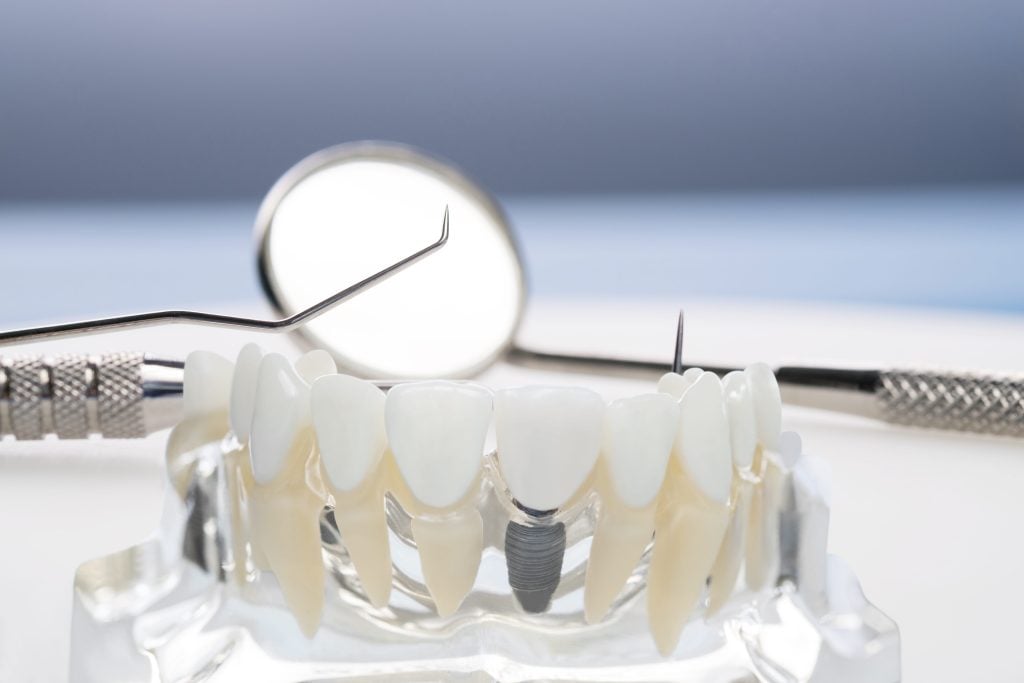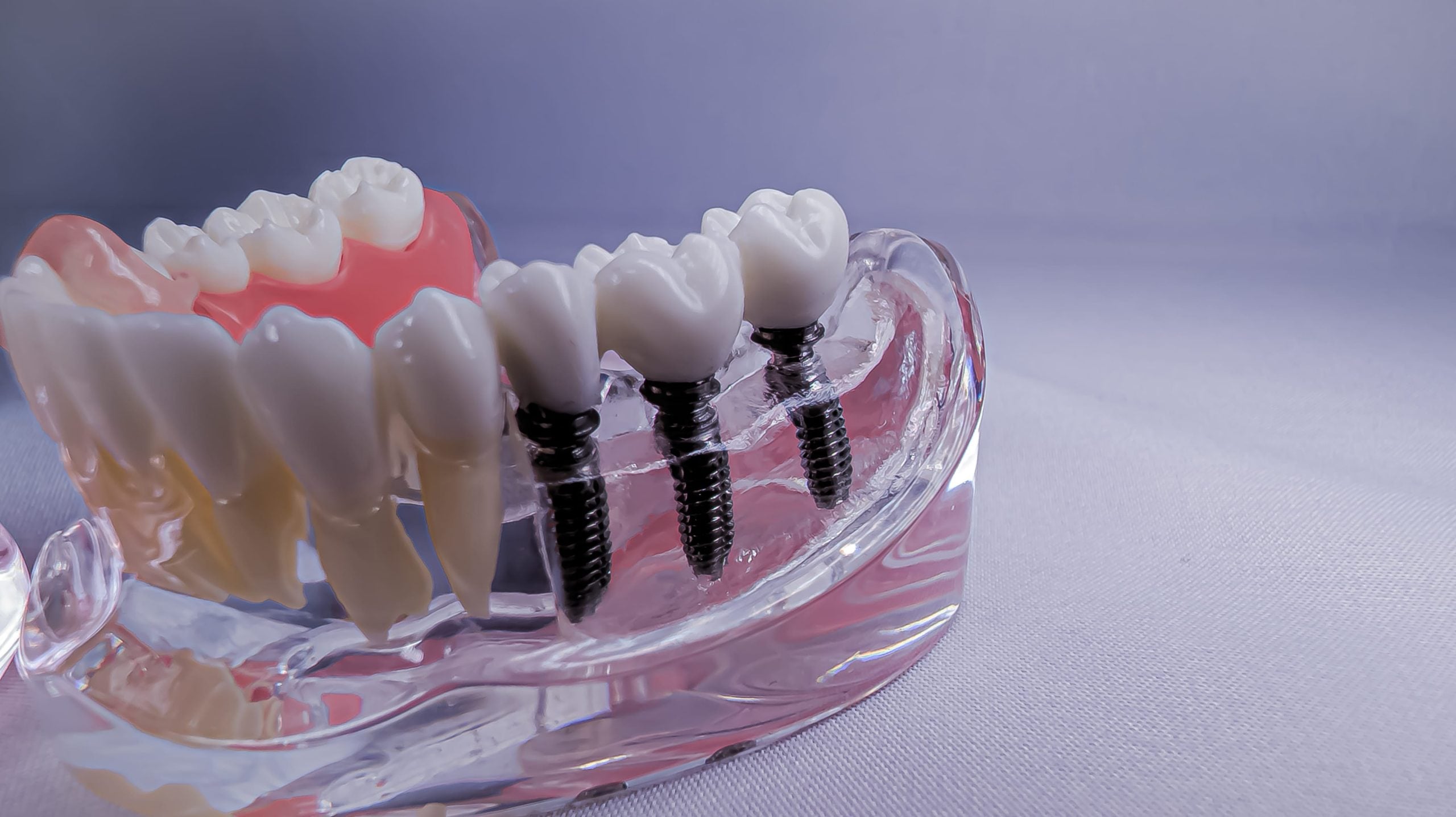
Walking into a dental office for an implant consultation can feel like a big step. Maybe you’ve been thinking about it for months. Maybe a dentist recently recommended it, and you’re still processing what that means. Either way, showing up without knowing what to expect makes the experience feel more daunting than it needs to be.
The good news? A first consultation is really just a conversation, an information-gathering session as much for you as it is for your dentist. Here’s what actually happens during that appointment.
Why the First Consultation Matters
This visit sets the entire tone for your implant journey. It’s where your dental team gets a clear picture of your oral health, your medical background, and what you’re hoping to achieve, and where you get the chance to ask every question that’s been sitting in the back of your mind.
Think of it less as a procedure and more as a planning meeting. Nothing invasive happens at this stage. You leave with information, not stitches.
.
What Happens During the Appointment
A Thorough Review of Your Dental and Medical History
The consultation almost always starts with paperwork or a conversation that covers the same ground. Your dentist will want to know about any existing health conditions, medications you take, past dental work, and whether you’ve had teeth extracted before.
This isn’t just routine form-filling. Conditions like diabetes, osteoporosis, or a history of radiation therapy to the jaw can directly influence whether implants are the right option and how the treatment should be approached. Being upfront here helps the team give you accurate guidance from the start.
A Comprehensive Oral Examination
Next comes the physical assessment. Your dentist will examine your teeth, gums, and bite, looking for signs of gum disease, bone loss, or other issues that might need to be addressed before an implant can be placed.
Don’t be surprised if they check teeth that seem unrelated to the gap you’re trying to fill. The health of the surrounding teeth and tissue matters significantly to how well an implant will integrate and hold over time.
Imaging and Bone Assessment
This is where the visit starts to feel a little more clinical. Most consultations include dental X-rays, and many practices also use a 3D cone beam CT scan, a specialized imaging tool that gives a detailed, three-dimensional view of the jawbone.
Why does this matter? Because implants are anchored into bone. The scan tells your dentist exactly how much bone is available, where the nerves sit, and whether the anatomy of your jaw supports implant placement. If bone density is lower than needed, the dentist can discuss whether a bone graft would be appropriate and what that process looks like.
A Discussion About Your Treatment Options
Once the examination and imaging are done, the dentist will sit down and walk you through what they’ve found. This is the part of the appointment most patients find most valuable. You’ll hear which type of implant might work best for your situation, how many are needed, and what the treatment timeline looks like from start to finish.
If preparatory work is required, like a tooth extraction, gum treatment, or bone grafting, that gets explained here too, along with how it fits into the overall plan.
Cost, Timeline, and Next Steps
Before you leave, you’ll typically receive a breakdown of estimated costs and what your insurance may or may not cover. Implant treatment isn’t always a quick process from initial placement to the final crown; it can span several months, so understanding the timeline upfront helps you plan accordingly.
This is also your moment to ask about payment plans, financing options, or anything else that affects whether and when you move forward.
.
Questions Worth Bringing to Your Appointment
Come prepared. A good dental team welcomes these questions; it’s a sign you’re taking the process seriously. Here are some worth asking:
- How many implant procedures have you performed, and what is your success rate?
- Am I a good candidate, or is there preparatory work needed first?
- How long will the full treatment take from start to finish?
- What does recovery look like after the implant is placed?
- What happens if the implant doesn’t integrate properly?
- What does aftercare and long-term maintenance involve?
- Are there financing options available if insurance doesn’t cover the full cost?
.
Conclusion
Your first dental implant consultation isn’t something to dread. It’s a low-pressure, information-rich appointment designed to help both you and your dentist figure out the best path forward. You’ll leave with a clearer picture of your oral health, a realistic sense of what treatment involves, and hopefully the confidence to take the next step.
The hardest part, honestly, is usually just making the appointment.