A little pink in the sink is easy to shrug off. It is also one of the most common reasons people look up their gums online. Bleeding gums are common, but they are not a sign of healthy gums, and they are worth understanding before they become a bigger problem.
Gums that bleed when you brush or floss are a common early sign of gum inflammation.
The usual cause is plaque building up along the gumline.
Early gum disease can often be reversed with daily cleaning and professional care.
If bleeding keeps happening, or comes with other symptoms, schedule a dental visit.
What bleeding gums usually mean
Plaque is the sticky film of bacteria that forms on your teeth every day. When it is not cleaned away, it can harden into tartar. Both irritate the gums, which then become swollen, red and prone to bleeding. The National Institute of Dental and Craniofacial Research (NIDCR) describes gum disease as starting with swollen, red and bleeding gums.


Early gum disease can often be reversed. Acting while it is still mild is what makes treatment simpler.
The earliest stage is called gingivitis. At that stage the bone that holds your teeth in place is not yet damaged. If it is left untreated, though, the infection can spread below the gumline to that bone and may eventually lead to tooth loss.
Other factors that can contribute
Plaque is the most common cause, but it is not the only one. Your dentist will look at the whole picture, which can include:
- Tobacco use. The NIDCR calls smoking and tobacco use the most significant risk factor for gum disease.
- Hormonal changes. Shifts linked to pregnancy, the menstrual cycle or birth control pills can make gums more likely to become inflamed.
- Certain medications. Some medicines affect the gums. Tell your dentist everything you take, and do not stop a prescription on your own.
- Health conditions such as diabetes. These are linked to a higher risk of gum disease, so your dentist will ask about your medical history.
When to contact a dentist
Schedule an appointment soon if you notice any of these:
- Gums that bleed when you brush or floss
- Gums that are red, puffy or tender
- Gums that seem to be pulling away from your teeth, so teeth look longer
- Bad breath that does not go away
- Teeth that feel loose or sensitive, or hurt when you chew
Mayo Clinic advises making an appointment as soon as possible if you notice symptoms of gingivitis, because earlier care improves the chances of reversing the damage.
Call the office promptly if you have
- Swelling in your face or neck
- A fever along with gum pain
- Severe pain
If you cannot reach us and you have trouble breathing or swallowing, seek emergency medical care right away. To reach the office, call 814-355-5254.
What you can do at home
Daily habits are the foundation of gum health. The NIDCR recommends these steps:
-
Brush twice a day.
Use fluoride toothpaste.
-
Clean between your teeth every day.
Use floss, an interdental brush, a pick, or a water flosser recommended by a dental professional.
-
Keep cleaning, gently.
Skipping the area that bleeds lets plaque build up there. If cleaning hurts, tell your dentist.
-
Avoid all forms of tobacco.
Quitting can also improve treatment results.
-
Keep up with checkups and professional cleanings.
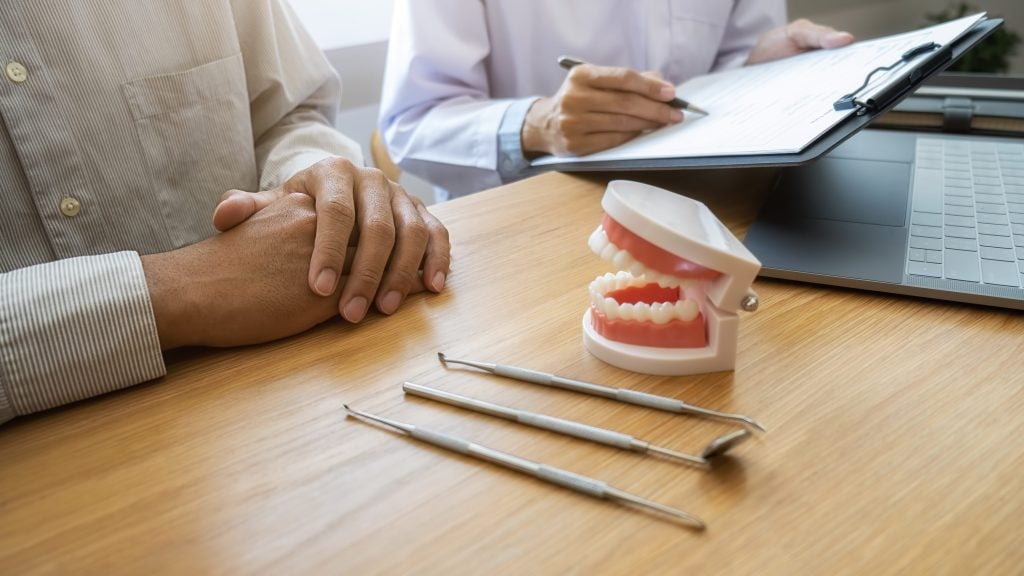
What happens at a gum health visit
You should leave that appointment understanding your treatment timeline, your candidacy, and your alternatives without feeling pressured to commit on the spot. If something feels rushed, that’s a signal to look elsewhere.
- Check your gums for inflammation, bleeding and recession
- Measure the small spaces around each tooth, called pockets, with a gentle probe. Healthy pockets are usually 1 to 3 millimeters deep
- Check whether any teeth are loose or have shifted
- Review your medical history for risk factors
- Take X-rays when needed to look for bone loss
- If your case needs a specialist, you may be referred to a periodontist, a dentist who focuses on gum disease.
If you do have gum disease
The main goal of treatment is to control the infection. Depending on what your exam shows, care may include a deep cleaning called scaling and root planing, which removes plaque and hardened tartar from below the gumline, along with prescribed medication such as a rinse. Surgery is generally reserved for advanced cases. Not everyone needs every option.
Our technology page describes two approaches we offer for gum disease:

Laser gum therapy
Uses the PerioLase MVP-7 laser. The practice says it does not require scalpels or sutures and may mean less discomfort, reduced bleeding and faster healing than conventional periodontal surgery.

Perio Protect trays
Custom-fit trays that deliver medication deep below the gumline, so you can keep treating harmful bacteria at home. The practice says the method can help reduce the need for more invasive treatment and can be used alongside traditional gum therapy.
Gum disease cannot always be completely cured, but it can be managed. Which approach is right depends on what your exam shows. You can read more on our periodontal disease treatment page and our technology page.
Location and Practical Logistics
Is it normal for gums to bleed when I floss?
Healthy gums do not usually bleed with gentle cleaning. Bleeding when you brush or floss is a recognized symptom of gum inflammation, so if it keeps happening it is worth having checked.
Can gum disease go away on its own?
The plaque causing it has to be removed. Mayo Clinic notes that good oral hygiene, including brushing twice a day, flossing daily and regular dental checkups, can help prevent and reverse gingivitis. Once disease has reached the bone, professional treatment is needed.
Should I stop cleaning the area that bleeds?
In most cases the advice is to keep cleaning gently, because avoiding the area lets more plaque build up. If cleaning is painful, or the bleeding is heavy, call the office and ask.
Will I need to see a specialist?
Not always. Many cases can be treated in a general dental office. If your gums do not improve, your dentist may refer you to a periodontist.
Have your gums checked
If your gums bleed more often than they do not, the team at Centre Dental Care can examine them and explain your options.
VISIT US
212 Kenlee Dr.Bellefonte, PA 16823
HOURS
Mon–Thu 8:00 AM–4:00 PM
Friday by appointment only
Closed Saturday and Sunday
This article is general information, not a diagnosis or medical advice. Only an exam can tell what is causing your symptoms.
Sources
Centre Dental Care: Our technology
National Institute of Dental and Craniofacial Research: Periodontal (Gum) Disease