1. Overview: Titanium and Zirconia in Dental Implants
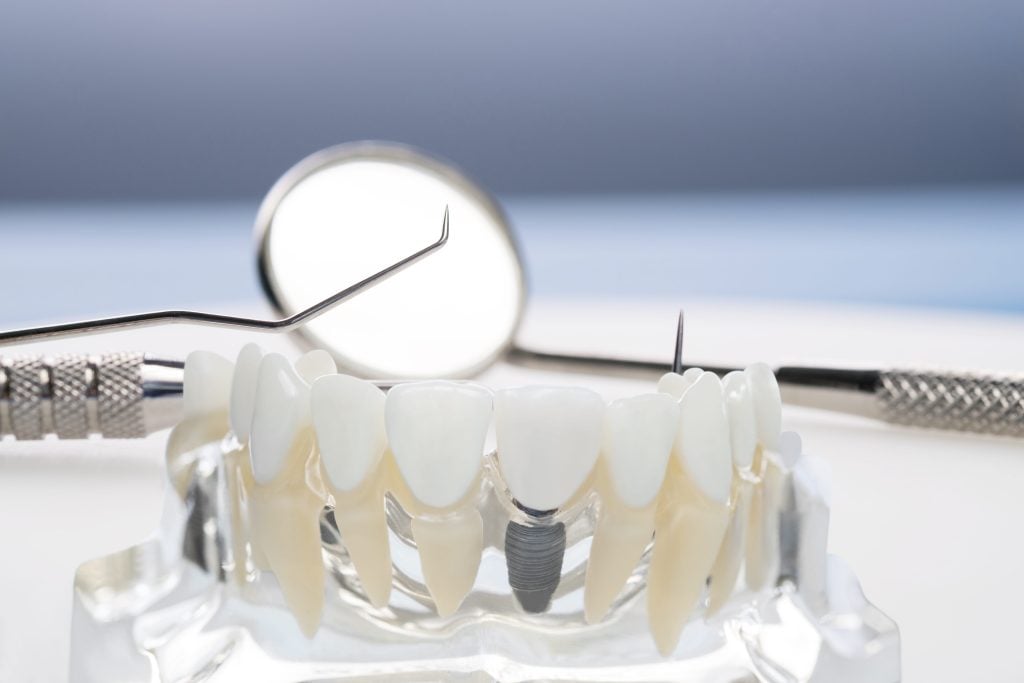
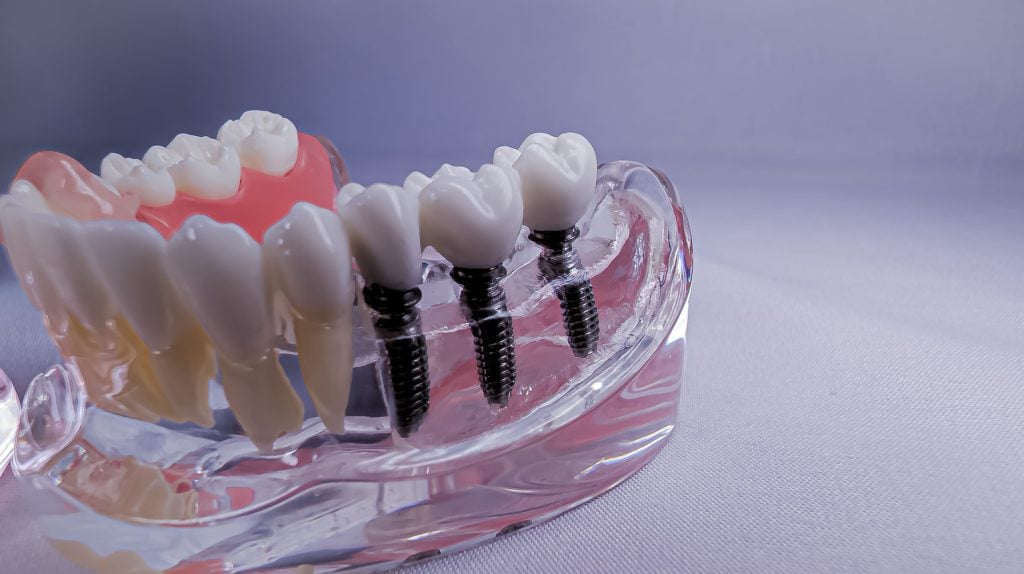
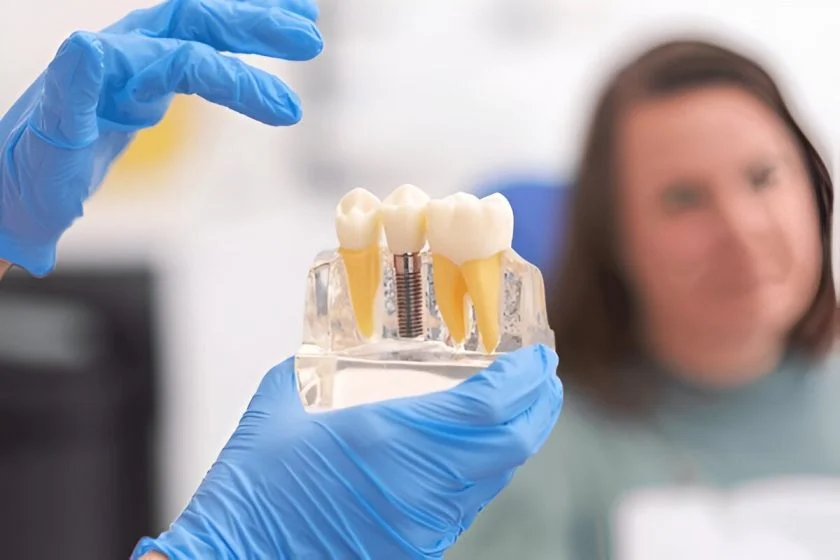
- Titanium has been the “gold standard” in dental implantology for decades. It was first used in the 1960s, and millions of implants since then have demonstrated its dependability and superb long-term performance.
- Zirconia, a strong ceramic, is a more recent option that is becoming increasingly popular for its metal-free nature and better aesthetics.
2. Strength & Durability
Titanium:
- Outstanding strength—resists strong biting and chewing loads.
- High fatigue resistance—provides longevity (25–30 years or more with good care).
- Osseointegration—successfully integrates with bone for long-term stability.
Zirconia:
- High hardness and excellent fracture resistance—appropriate for most dental restorations.
- Less flexible than titanium, but slightly more susceptible to fracture at extreme pressure or trauma.
3. Biocompatibility & Allergies
Titanium:
- Extremely biocompatible—infrequently causes allergies or rejection.
- Very low risk of adverse reactions.
Zirconia:
- 100% metal-free and hypoallergenic—perfect for patients with metal sensitivities or immune issues.
- Biologically inert, with very little tissue irritation.
4. Aesthetics
Titanium:
- Metallic gray hue can be revealed through thin or receding gums, subtly impacting the natural appearance in front teeth areas.
- Less well-suited for patients with high smile lines.
Zirconia:
- Tooth-colored (white)—completely compatible with natural teeth, providing excellent cosmetic results, particularly in highly esthetic areas.
- No chance of gray lines, which makes it a preference among anterior restorations.
5. Corrosion Resistance & Maintenance
Titanium:
- Extremely resistant to corrosion, yet in extremely rare instances may undergo surface wear in wet environments.
- May retain more plaque than zirconia if not properly cleaned.
Zirconia:
- Completely corrosion-resistant—does not change in the moist atmosphere of the mouth.
- Accumulates less plaque owing to a smoother surface, which is beneficial for gum health.
6. Osseointegration and Success Rates
Titanium:
- Years of research demonstrate enhanced osseointegration—the process of bone integrating with implants.
- Long-term success rates over 95% reported in most clinical studies.
Zirconia:
- Also, osseointegrates well, but with fewer long-term findings because it is a newer material.
- Initial studies exhibit encouraging results with excellent short- to medium-term success.
7. Clinical Applications and Limitations
Titanium:
- It can be used in any position, such as heavy bite force areas (molars).
- Permits two-piece designs (implant separate from abutment), which make adjustments simpler.
Zirconia:
- Dental professionals find it ideal for single-tooth cases or where high aesthetics are required.
- Most widely available in one-piece designs, which can be less adjustable for alignment but decrease crevices for bacterial colonies.
8. Cost Considerations
- Titanium: Generally lower in cost and more widely available because of long use in implantology.
- Zirconia: Typically higher in cost, reflecting the production process and newer technology.
Final Thoughts
Both zirconia and titanium are safe, stable options for dental implants. Titanium boasts an unparalleled record and versatility, while zirconia is appealing to aesthetically concerned or metal-free-minded patients. The ideal choice is consultative, deliberate discussion with your dental professional, personal anatomy, health, and preference all come into play. Leave the selection to your dentist to lead you to the material that will bring a stronger, more gorgeous, and longer smile.