Essential Steps for Maintaining Your Dental Implants
Neglecting the “Under-the-Gum” Clean
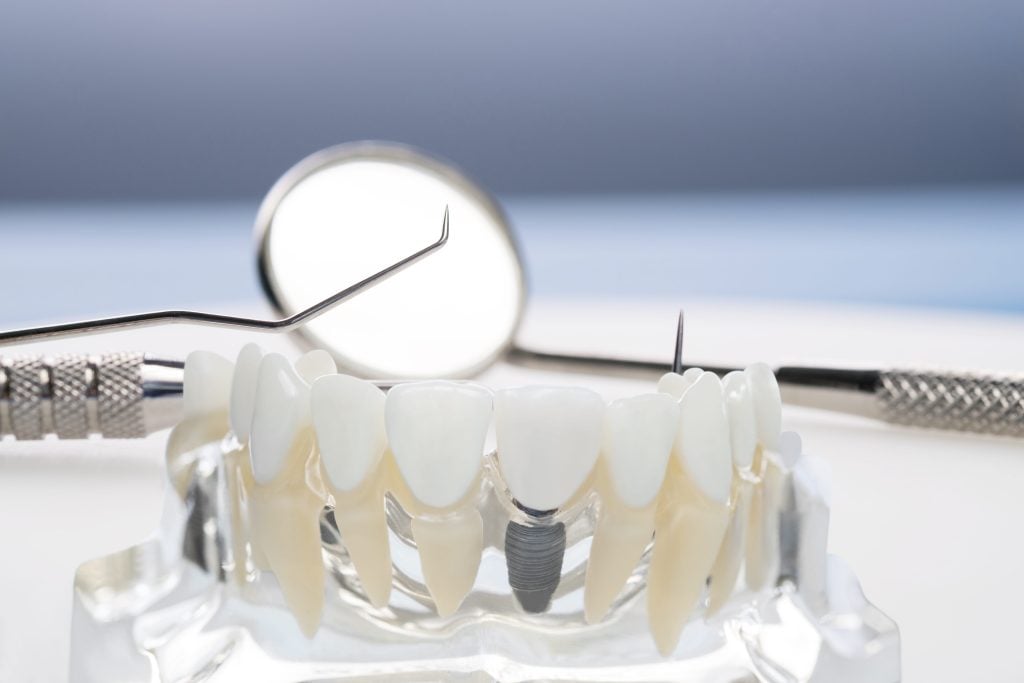
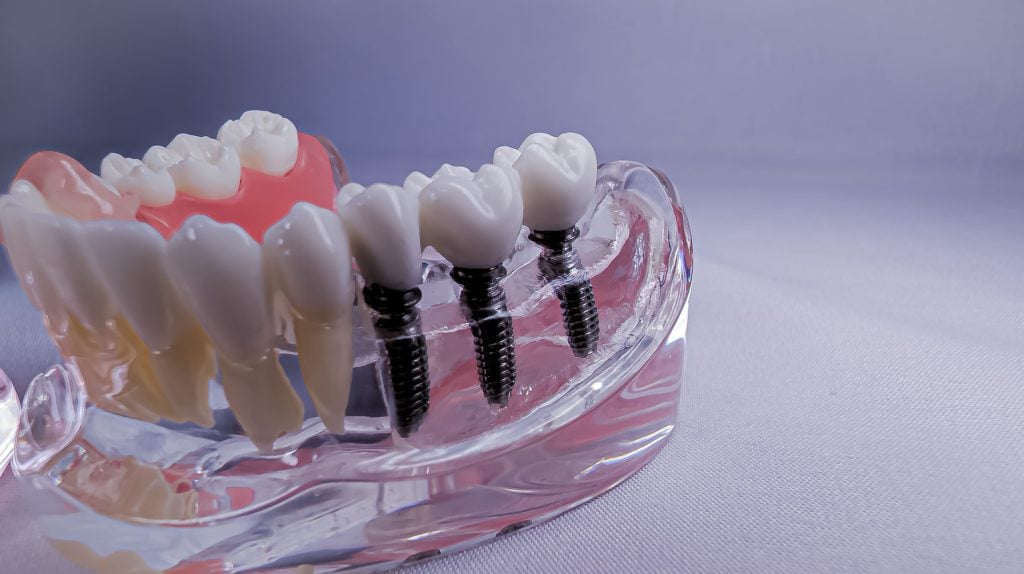
The assumption that artificial crowns require patients to brush only their visible parts constitutes a major erroneous belief. The “cuff” area between the implant and gum line serves as a primary hiding spot for bacteria and plaque. Bacteria that move under the gums will start to destroy the bone that supports the dental implant.
The Fix: You should use an extra-soft manual or electric toothbrush to clean the transition area between your restoration and gums. The bristles should be angled toward the gum line to help you remove debris from the most exposed section.
Using the Wrong Type of Floss
While standard flossing is perfect for regular teeth, there are special considerations when dealing with a dental implant. Using a type of floss referred to as “shredded” or of poor quality can result in small pieces of this material getting caught on the implant parts. This acts as a breeding ground for bacteria, which in turn causes infections. Additionally, snapping this type of floss back and forth on the gums can disrupt the sensitive bond holding the gums to the implant.
The Fix: Consider using a type of floss referred to as implant floss or “super floss.” This type of floss contains a stiff threader and a fuzzy middle portion that will comfortably wrap around the implant post. Another option is a water flosser, which is ideal for cleaning bacteria from deep pockets around the implant without any physical irritation.
Using Abrasive Toothpastes
If, in fact, you use a toothpaste that whitens or one that has “grit,” like baking soda or charcoal, you could be unwittingly harming your restoration. Although the implant post itself is not visible, the crown that sits atop the implant can be either porcelain or zirconia. The microscopic scratches that can be caused by abrasive toothpastes can, in fact, lead to the creation of microscopic “pockets,” in which bacteria can thrive.
The Fix: You should use a toothpaste that has non-abrasive properties and a low RDA (Relative Dentin Abrasivity) level, which allows you to use it safely. The formulas that you should use need to be tested for sensitivity or to receive approval from your dentist for your cosmetic procedures.
Skipping Professional Cleanings
The patients who have lost their natural teeth believe that their dental care requirements have changed because they do not possess real teeth anymore. This mistake represents the highest level of danger. The hygienist uses special tools made from plastic or titanium to clean dental implants because stainless steel scales create the risk of damaging implant posts, which results in future bacterial infections.
The Fix: You need to continue your dental appointments every six months. A professional can spot the early signs of peri-implantitis—such as minor bleeding or gum recession—long before you feel any pain. The only method for reversing inflammation needs to be implemented during its initial stage because the process leads to bone deterioration.
Ignoring the Warning Signs
An implant exists without nerves because it differs from a natural tooth. The infection will not produce the typical “toothache” symptoms because of this. The majority of people delay contacting their dentist until they experience implant loosening, which already indicates that their body has experienced substantial bone deterioration.
The Fix: Be proactive. You should schedule an appointment right away if you observe redness or swelling, or experience brushing difficulties around the implant, or taste persistent bad odors in that specific area of your mouth.
Summary: A Lifetime of Success
The key to preventing implant failure is consistency. By treating your dental implants with the same, if not more, care than your own natural teeth, you can ensure that the tissue surrounding your implants remains healthy and strong. By avoiding these common hygiene blunders, you’re not simply keeping your breath fresh; you’re securing the future of your smile for generations to come.
Do you have concerns about your dental implants? At Centre Dental Care, we can help. Our experts use state-of-the-art technology to monitor your implants, keeping them in the best condition possible since the day they were inserted. Get in touch with us today.