The loss of a tooth caused by trauma, decay, or periodontal disease has a profound effect on your eating habits, communication, and even facial structure after prolonged periods of time. Dentures and bridges have long been the default solution to this problem. They perform well, but they bring their own set of pros and cons into play. Dental implants have revolutionized this approach.
If you’ve been advised that you can be fitted with dental implants and are trying to decide between the two options, it’s essential to get a thorough insight into the matter. We aren’t talking about the superficial aspects of dental implants but rather how they function and why most dentists and patients prefer them as tooth replacements.
What Exactly Is a Dental Implant?
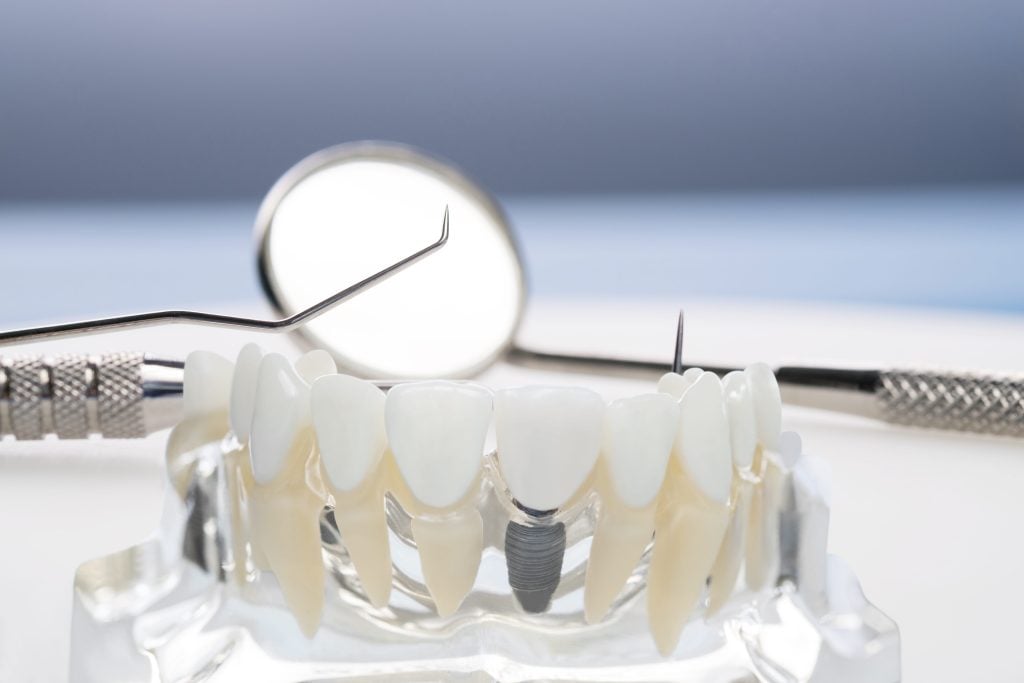
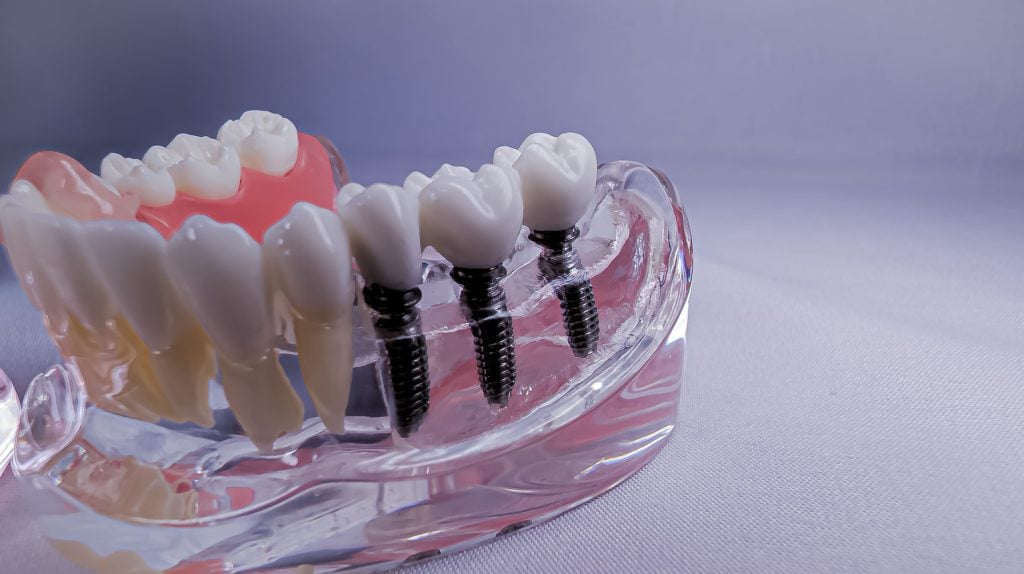
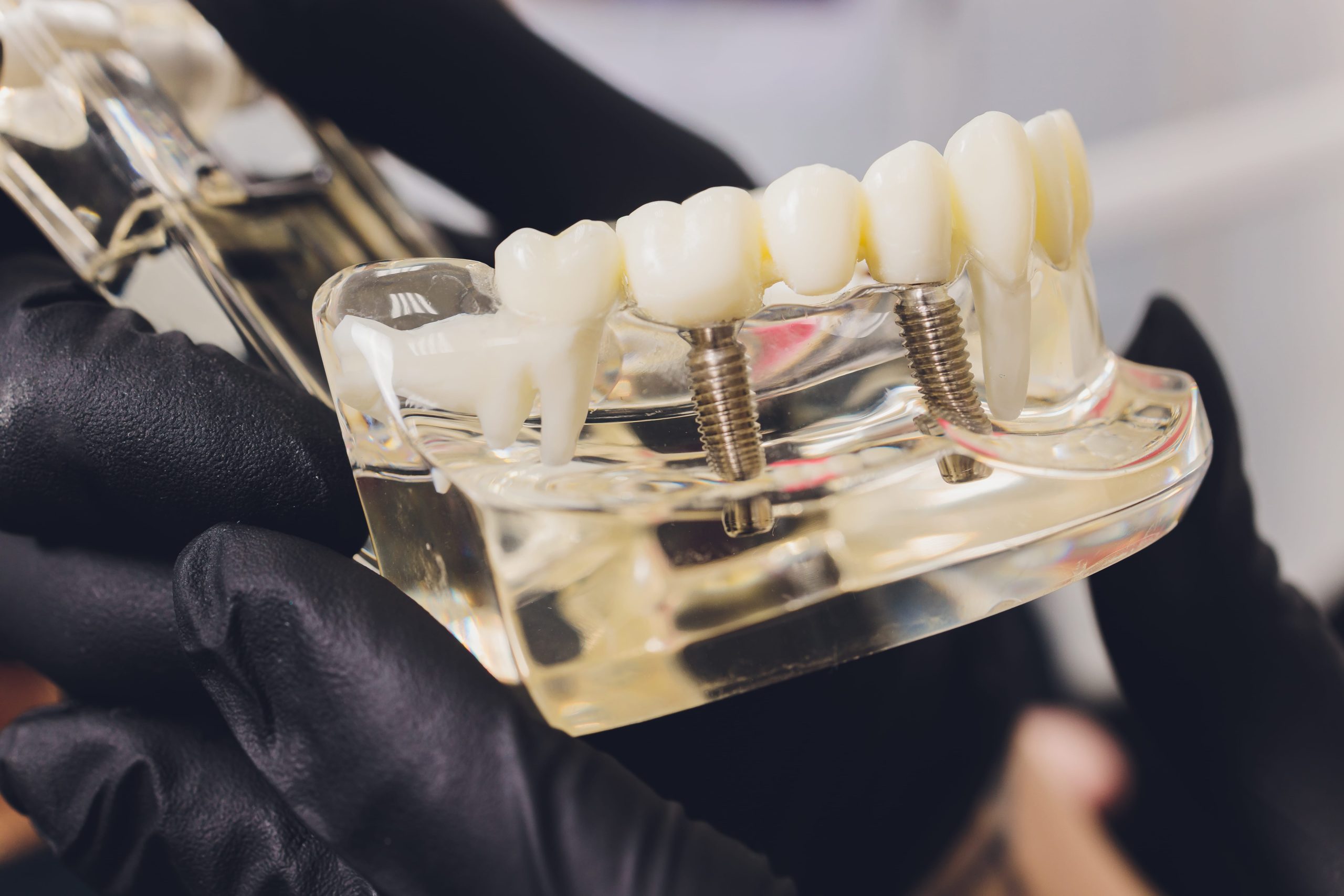
A dental implant is a small titanium post that a dentist surgically places into your jawbone where a tooth root used to be. Over several weeks, the bone fuses around it in a process called osseointegration, which is just a technical way of saying the implant becomes part of your jaw. Once that’s done, a crown (the visible tooth part) is attached on top.
The result? A replacement tooth that looks, feels, and functions almost identically to a natural one. You don’t take it out at night. You don’t soak it in a glass. You brush it like a normal tooth.
The Real Benefits Worth Knowing About
Full chewing function — no restrictions
Dentures may move out of position, while dental bridges restrict the maximum biting strength of users. The permanent dental implants establish secure connections to your bone structure, which enables you to consume all normal foods like corn on the cob, apples, and steak. The ability to eat without discomfort is the most important improvement that patients experience when they regain their natural eating abilities.
Prevents jawbone loss
This is the benefit people don’t see, and it’s one of the most important. The jawbone in the area of a missing tooth starts to shrink because its root no longer produces stimulation. The mouth develops a sunken appearance with age, which happens gradually over time. The tooth implant functions as a dental root replacement, which preserves bone health by keeping the bone tissue active and intact. The same effect does not happen with bridges and dentures.
Natural appearance and confidence
The implant crown needs to be properly positioned because it must match the color, size, and shape of existing teeth. Most people won’t know it’s there unless you tell them. Patients demonstrate increased confidence during social interactions after they stop worrying about their dental gaps and denture movement.
Better oral health in the long term
Traditional bridges need dentists to remove healthy teeth from both sides of the bridge so they can create anchor points for the prosthetic, which results in the loss of two functional teeth to replace one missing tooth. Implants don’t touch adjacent teeth at all. The system operates independently because it does not need any support from your teeth, which results in decreased mouth disturbance and simplified tooth cleaning procedures. Your gum health and cavity risk both depend on this particular factor.
A long-term investment, not a short-term fix
Implants cost more upfront compared to dentures and bridges. The lifespan of dentures requires relining or replacement every 5 to 10 years, while bridges have their own lifespan. An implant that receives proper maintenance can remain functional for 25 years or more, with some cases extending to lifetime use. The long-term financial value of implants becomes clearer when you consider the ongoing expenses associated with different treatment options.
“The mouth is more than simply teeth. – It’s all about confidence, bone, and bite. All three are addressed by implants in a manner that is truly unique.“
Who Is (and Isn’t) a Good Candidate
However, dental implants are not right for everyone. For instance, the patient must have sufficient jawbone thickness to accommodate the posts and healthy gums. People who are heavy smokers, have diabetes under poor control, or have lost significant bone mass must have other treatments (e.g., bone graft) prior to implantation.
In addition, the candidate should not be under eighteen years old, as dental implants require mature teeth, but they can be used by anyone regardless of age beyond that. Numerous senior people aged 70-80 and even older receive implants successfully.
In order to determine whether someone can get implants, a proper examination with the implantologist must be made first.
Conclusion: More Than Just a Cosmetic Fix
The general public believes that dental implants improve facial appearance, yet the actual benefits extend beyond their initial aesthetic value. They preserve the jawbone. They protect nearby teeth. The dental restorations provide such a complete dental restoration that most patients forget about their presence. The system operates in a manner that ensures its functionality will continue for several decades instead of just a brief period.
The process of obtaining a complete dental examination becomes essential when you experience tooth loss or have dentures that do not fit properly. You should get all the necessary information to reach your own choice because dental implants do not work for every person.