Introduction
For many people, skipping a dental cleaning seems like a simple way to save money. If your teeth don’t hurt, your gums aren’t bleeding, and everything feels normal, it may seem reasonable to postpone that routine appointment for a few months or even a few years.
Unfortunately, that’s exactly how many dental problems begin.
One of the biggest misconceptions about oral health is that the absence of pain means the absence of disease. In reality, cavities, gum disease, and other dental issues often develop silently. By the time symptoms become noticeable, treatment is usually more complex, more time-consuming, and significantly more expensive than preventive care.
Professional dental cleanings are designed to stop problems before they start. They help remove harmful plaque and tartar, detect early signs of disease, and keep your teeth and gums healthy over the long term. While some people view routine cleanings as an optional expense, they are often one of the most cost-effective investments you can make in your oral health.
Understanding what happens during a cleaning and what can occur when those appointments are delayed can help you make informed decisions about your dental care.
What Happens During a Professional Dental Cleaning?
A professional dental cleaning is much more than a cosmetic procedure. While your teeth may feel smoother and look brighter afterward, the primary goal is to protect your oral health and prevent future problems.
During a cleaning, a dental hygienist removes plaque and tartar that have accumulated on the teeth and along the gumline. Plaque is a sticky film of bacteria that forms naturally throughout the day. If it is not removed regularly, it hardens into tartar, which cannot be eliminated through brushing or flossing at home.
Tartar creates a rough surface where bacteria can thrive, increasing the risk of cavities and gum disease. Even people with excellent oral hygiene habits can develop tartar in hard-to-reach areas.
A professional dental cleaning also typically includes a comprehensive examination. The dentist may check for signs of tooth decay, damaged restorations, gum disease, oral infections, and other concerns. Many dental offices also perform oral cancer screenings as part of routine preventive care.
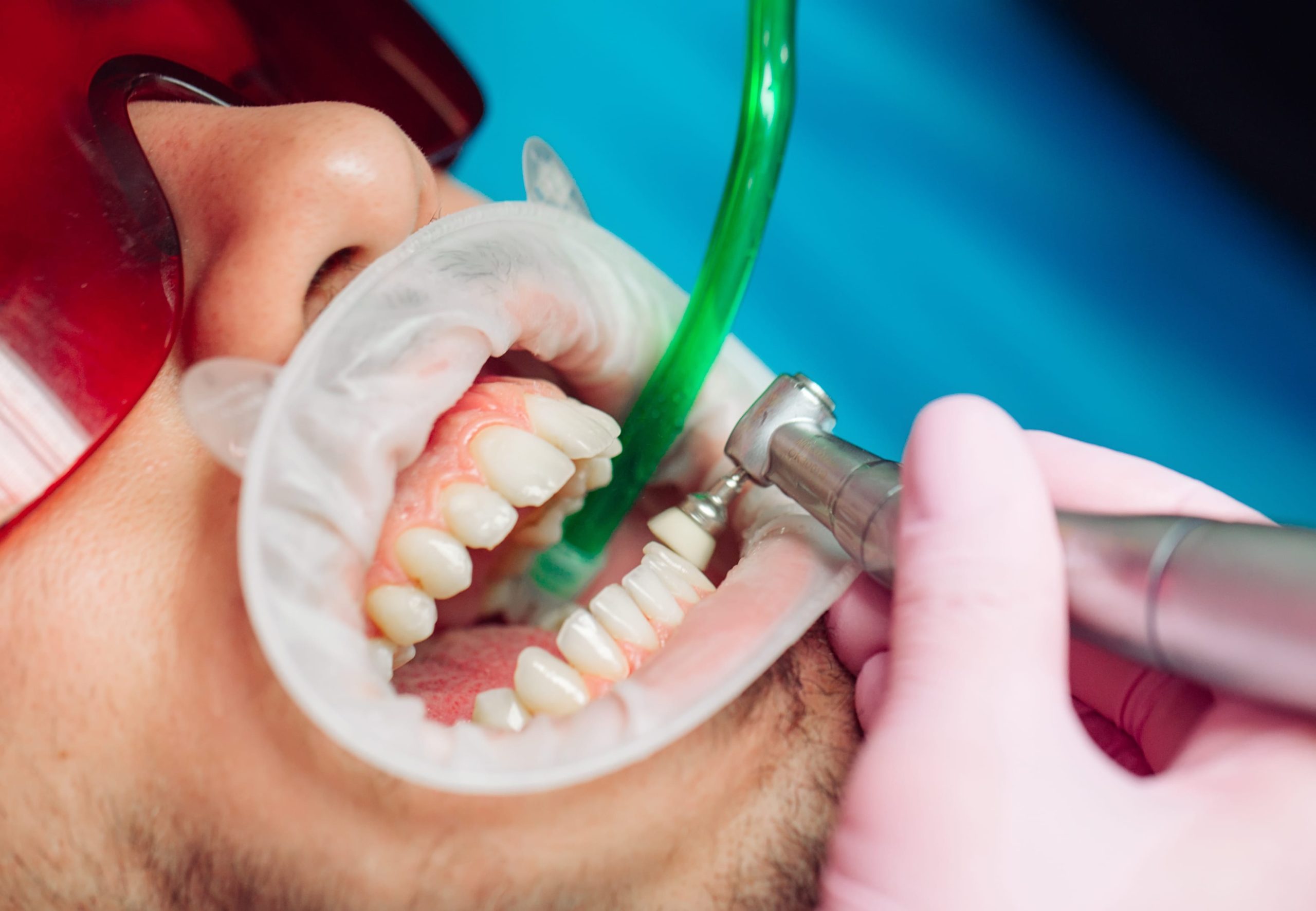
After plaque and tartar removal, the teeth are polished to remove surface stains and create a smooth finish that makes it harder for plaque to accumulate. Depending on your needs, your dentist may also recommend fluoride treatments or other preventive measures.
Perhaps most importantly, routine appointments allow dental professionals to identify problems in their earliest stages. A tiny cavity or mild gum inflammation can often be addressed quickly and affordably before it develops into a more serious issue.
While brushing and flossing remain essential components of good oral hygiene, they cannot fully replace professional dental cleanings. Home care and professional care work together to maintain long-term oral health.
How Often Should You Get Your Teeth Cleaned?
A common question patients ask is how frequently they should schedule dental cleanings.
For many adults, dental professionals recommend cleanings every six months. This schedule allows dentists and hygienists to remove buildup before it causes damage and to monitor changes in oral health over time.
However, there is no universal answer that applies to everyone.
Some individuals may benefit from more frequent cleanings due to specific risk factors. People with a history of gum disease often require additional maintenance visits to keep harmful bacteria under control. Smokers may experience increased plaque accumulation and a higher risk of periodontal disease, making regular professional care especially important.
Patients with diabetes may also require closer monitoring because the condition can affect gum health and healing. Similarly, people with braces, retainers, dental appliances, or crowded teeth may find it more difficult to clean certain areas effectively at home.
Your dentist will evaluate your oral health, medical history, and risk factors to determine the cleaning schedule that is most appropriate for you. Following these recommendations can help prevent small issues from becoming major problems.
Early Signs You May Be Overdue for a Dental Cleaning
Dental problems rarely appear overnight. In many cases, your mouth provides subtle warning signs before more serious issues develop.
One of the most common indicators is bleeding gums during brushing or flossing. Healthy gums generally should not bleed. Persistent bleeding may suggest inflammation caused by plaque buildup or the early stages of gum disease.
Bad breath that does not improve with brushing or mouthwash can also be a warning sign. Bacteria trapped beneath the gumline or around tartar deposits often contribute to chronic bad breath.
Some people notice increased tooth sensitivity, particularly when consuming hot, cold, or sweet foods. While sensitivity can have several causes, untreated plaque accumulation and gum recession may play a role.
Visible tartar buildup is another sign that a professional cleaning may be overdue. Tartar often appears as a yellow or brown deposit near the gumline and cannot be removed with a toothbrush.
You may also notice swollen, red, or tender gums. These symptoms frequently indicate gingivitis, the earliest stage of gum disease.
Even if you do not experience obvious symptoms, changes in your oral health should not be ignored. Regular dental visits help identify concerns before they become painful or expensive to treat.
The Hidden Cost of Delaying Preventive Dental Care
Many people postpone dental cleanings because they want to avoid spending money. Ironically, delaying preventive care often leads to much larger expenses in the future.
Consider a small cavity that develops between routine visits. When detected early, it may require only a simple filling. Left untreated, however, decay can spread deeper into the tooth and eventually reach the nerve.
At that point, a root canal and dental crown may be necessary to save the tooth. These procedures are significantly more expensive and time-consuming than a routine filling.
The same pattern occurs with gum disease.
Plaque and tartar buildup can initially cause mild gum inflammation known as gingivitis. At this stage, the condition is often reversible with professional cleanings and improved oral hygiene.
Without treatment, gingivitis can progress into periodontal disease. As the infection spreads, it can damage the tissues and bone that support the teeth. Patients may require deep cleanings, periodontal therapy, ongoing maintenance treatments, or even surgery.
In severe cases, advanced gum disease can lead to tooth loss.
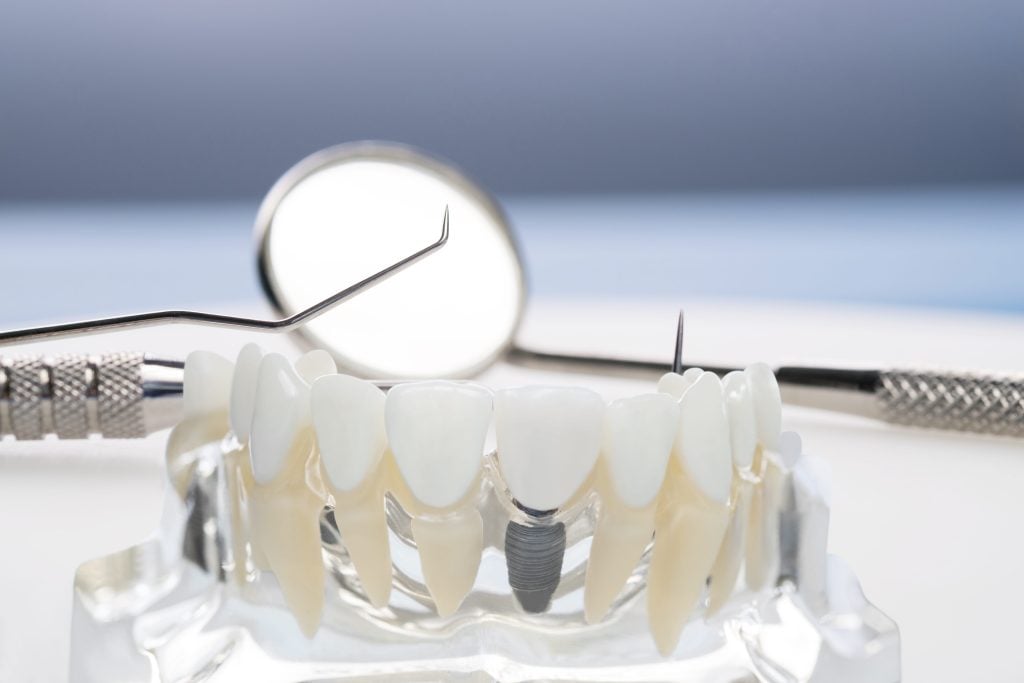
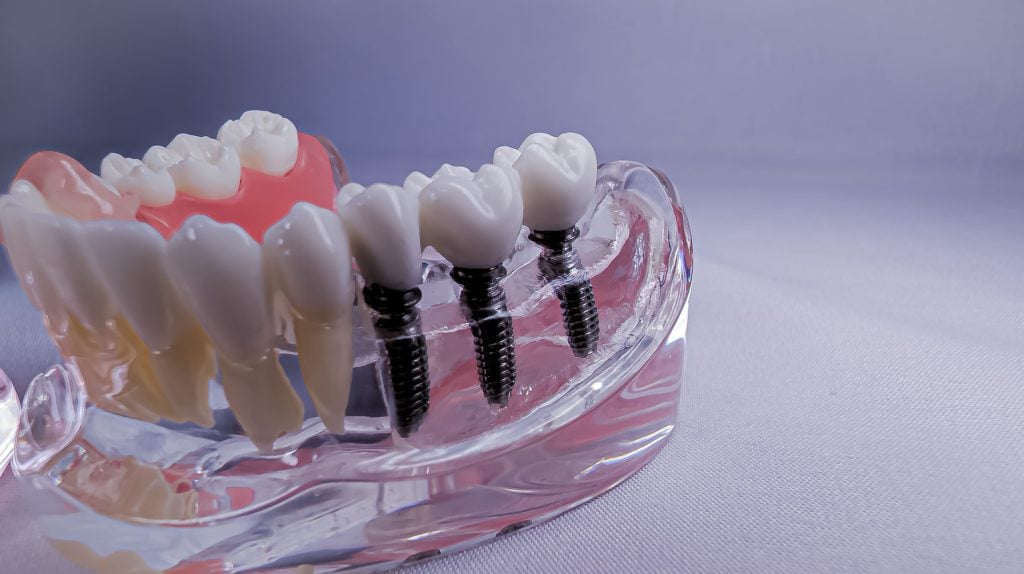
Replacing a missing tooth often involves options such as dental bridges, partial dentures, or dental implants. Not only are these treatments more expensive than preventive care, but they may also require multiple appointments and lengthy recovery periods.
There are indirect costs as well. Dental emergencies can lead to missed workdays, unexpected treatment expenses, discomfort, and reduced quality of life.
Imagine two patients. One attends regular cleanings and receives early treatment for a small cavity. The other postpones dental visits for several years and eventually requires a root canal, crown, and periodontal treatment. The difference in cost can easily amount to thousands of dollars.
Preventive dentistry is often the most affordable form of dental care because it focuses on avoiding problems rather than repairing damage after it occurs.
The Connection Between Oral Health and Overall Health
Your mouth is connected to the rest of your body in ways many people don’t realize.
Research has shown that poor oral health may be associated with several systemic health conditions. Chronic inflammation caused by gum disease has been linked to an increased risk of cardiovascular problems. While oral health alone does not cause heart disease, ongoing inflammation may contribute to overall health concerns.
The relationship between diabetes and oral health is also well documented. People with diabetes are more likely to develop gum disease, and severe gum disease can make blood sugar management more challenging.
Respiratory infections may also be influenced by oral bacteria. In some cases, harmful bacteria from the mouth can be inhaled into the lungs, potentially contributing to respiratory complications.
Pregnant women are often advised to maintain good oral health because hormonal changes can increase susceptibility to gum disease. Poor oral health during pregnancy has been associated with certain pregnancy complications.
Routine dental cleanings support overall wellness by reducing bacterial buildup, identifying infections early, and promoting healthier gums. They also provide an opportunity for dental professionals to detect potential concerns before they become more serious.
Conclusion
Skipping dental cleanings may seem like a way to save time or money, but the long-term consequences can be surprisingly costly. Many dental conditions develop gradually and often show few symptoms until significant damage has already occurred.
Regular professional dental cleanings help remove plaque and tartar, detect problems early, reduce the risk of cavities and gum disease, and support both oral and overall health. More importantly, they can help prevent the need for complex and expensive restorative treatments in the future.
Rather than viewing routine cleanings as an unnecessary expense, consider them an investment in your health. Consistent preventive dental care can save you money, protect your smile, and provide peace of mind for years to come.