Fear of the dentist is one of the most common anxieties people carry, and when the word “implant” enters the conversation, that fear often doubles. Suddenly, it’s not just a cleaning or a filling. It sounds like surgery. It sounds painful. It sounds like something you’d rather put off indefinitely.
If that describes you, you’re not alone. Dental anxiety affects a significant portion of the population, and implant-related fear is especially common among people who’ve had painful dental experiences in the past. But here’s the thing: avoiding the procedure doesn’t make the problem go away. It usually makes it worse.
Understanding where the fear comes from and what the reality of the process actually looks like is often the first step toward doing something about it.
Why Dental Implant Anxiety Is So Common
Fear around dental procedures rarely comes out of nowhere. For most people, it’s rooted in one of a few things: a previous painful experience, a general fear of needles or surgical tools, a loss of control when sitting in the chair, or simply the unknown. When you don’t know what’s going to happen, your mind tends to fill in the blanks, usually not in your favor.
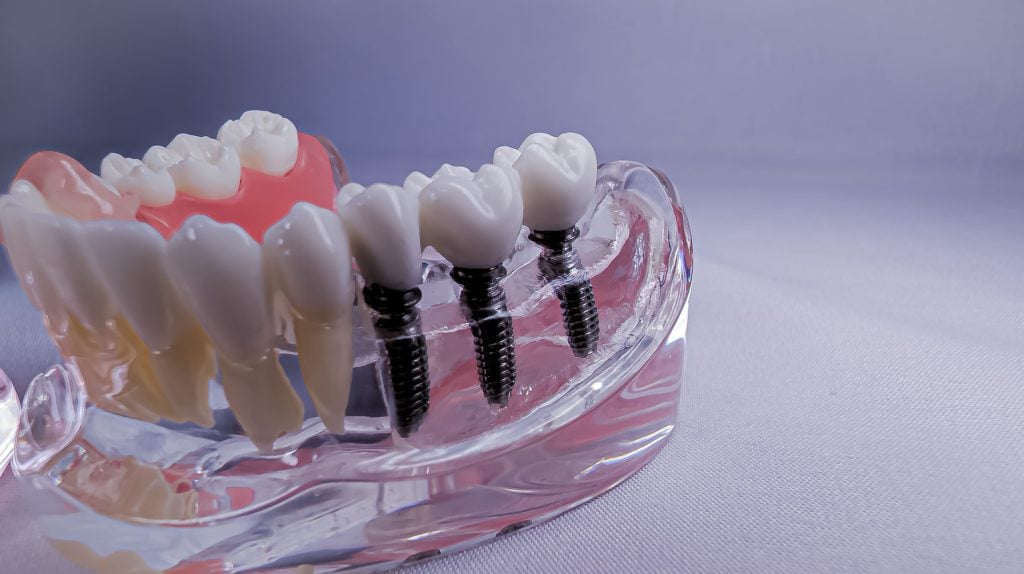
Implants carry an extra layer of anxiety because they sound more serious than routine dental work. The word “implant” alone conjures images of prolonged procedures and significant discomfort. The gap between perception and reality here is wider than most people expect.
.
What the Procedure Actually Feels Like
One of the most effective ways to reduce fear is with accurate information. So here’s what actually happens.
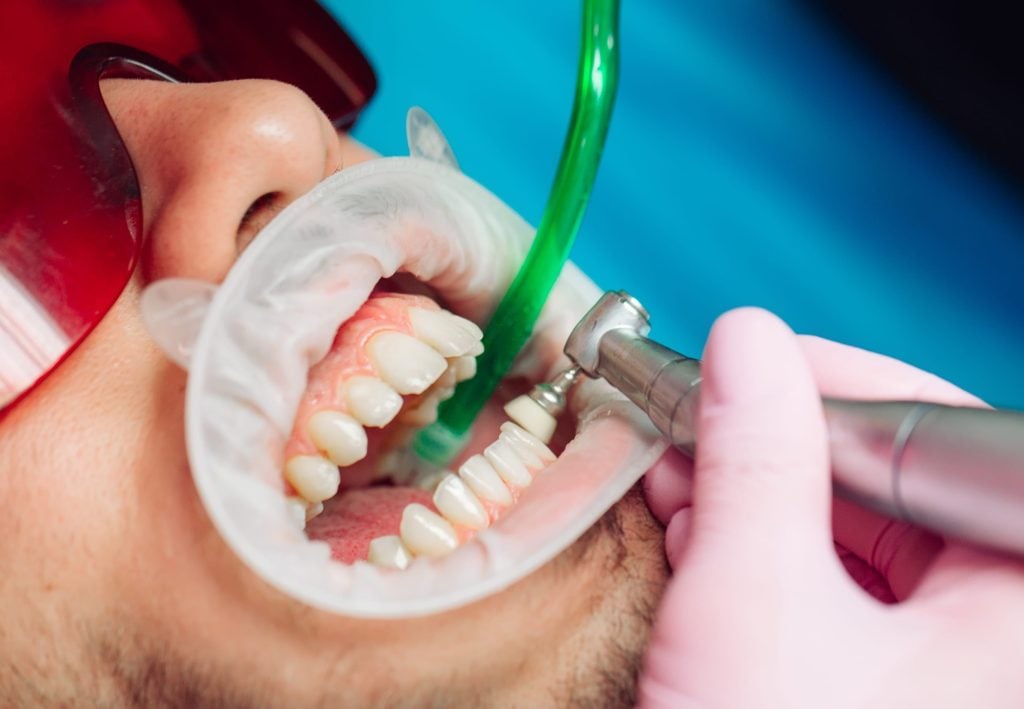
The implant placement itself is a surgical procedure, but it’s performed under local anesthesia, meaning the area is fully numb before anything begins. Most patients report feeling pressure during the procedure, but not pain. The discomfort that follows in the days after is typically manageable with over-the-counter pain relief and tends to resolve within a week.
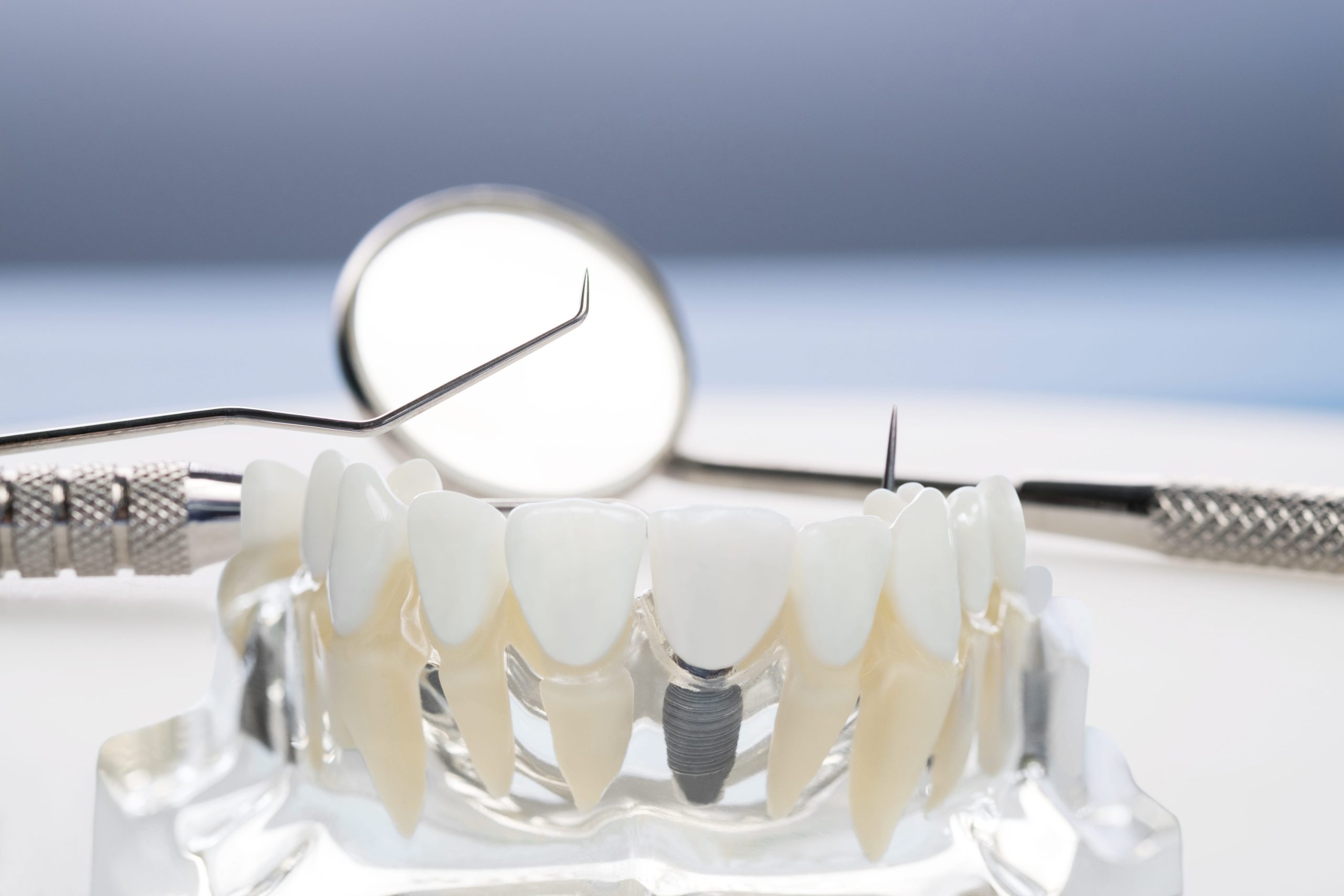
Modern implant techniques have advanced considerably. Procedures that once took hours are now faster and more precise, guided by 3D imaging that allows dentists to plan every millimeter before the first incision. The experience is far removed from the dramatic picture most anxious patients have built up in their heads.
.
Practical Ways to Manage Dental Anxiety
Talk to Your Dentist Before the Appointment
This sounds simple, but it makes a meaningful difference. Call ahead, or mention your anxiety at the start of your consultation. A good dental team will adjust their approach explaining each step before they do it, checking in throughout the procedure, and giving you a way to signal if you need a pause.
You’re not being difficult by raising this. Dentists who work with anxious patients do it regularly, and knowing upfront allows them to make the experience more manageable for you.
Ask About Sedation Options
For patients with significant anxiety, sedation dentistry is a genuine option. Depending on the practice, this might include nitrous oxide (commonly known as laughing gas), oral sedation taken before the appointment, or IV sedation for deeper relaxation during the procedure.
Sedation doesn’t mean unconsciousness,it means comfort. Many patients who’ve used sedation for implant procedures describe having little to no memory of the experience and feeling far less stressed than they anticipated.
Bring Something Familiar
Small things help. Listening to music or a podcast through earbuds during the procedure gives your mind somewhere else to be. Some patients bring a stress ball to hold. Others find it helpful to have a support person drive them and wait nearby. These aren’t workarounds; they’re legitimate tools for managing a difficult experience.
Focus on the Outcome, Not the Process
Anxiety tends to zoom in on the procedure itself. Try widening that lens. Think about what comes after eating without restriction, speaking confidently, and no longer feeling self-conscious about a gap in your smile. The procedure is temporary. The result lasts decades.
When Avoidance Makes Things Worse
Delaying dental treatment because of anxiety is understandable, but it comes at a cost. Missing teeth lead to bone loss in the jaw. Bone loss narrows your treatment options and often requires more extensive and more expensive intervention later. The fear of doing something now can quietly create a bigger problem down the road.
.
Conclusion
Dental implant fear is real, and it deserves to be taken seriously not dismissed. But fear doesn’t have to be the deciding factor. With the right information, a dentist who communicates clearly, and a few practical strategies in place, most anxious patients find the experience far more manageable than they expected.
The hardest step is usually the first one: picking up the phone and making the consultation appointment. Everything gets a little easier after that.