Traditional Metal Braces: The Reliable Workhorse
Traditional braces serve as the ultimate reference point in orthodontics because no other treatment method can provide their level of treatment flexibility. The system uses metal brackets which dental professionals attach to teeth and link together with an archwire. This system enables orthodontists to achieve exact three-dimensional movements for each individual tooth.
The Major Advantages:
- Power for Complex Issues: Braces are better suited for extreme cases of crowding, overbites, or teeth that are severely twisted or turned around each other.
- Compliance-Free: Because they’re “attached” to your teeth, there’s no risk of forgetting to wear them. This makes braces a popular choice for parents of teenage children or adults who don’t want to deal with the mental hassle of remembering to wear their braces.
- Durability and Cost: In general, metal braces are the most cost-effective and robust solution. They can withstand anything life throws at them and can’t be lost or thrown out by accident.
The Trade-offs: The drawbacks exist because they affect the appearance and the way people live their lives. The brackets of braces make the dental appliance highly visible which forces the wearer to stay away from sticky and hard foods such as popcorn and caramel. The dental hardware installation forces users to complete their oral hygiene duties through special flossing equipment.
Invisalign: The Modern, Clear Alternative
-
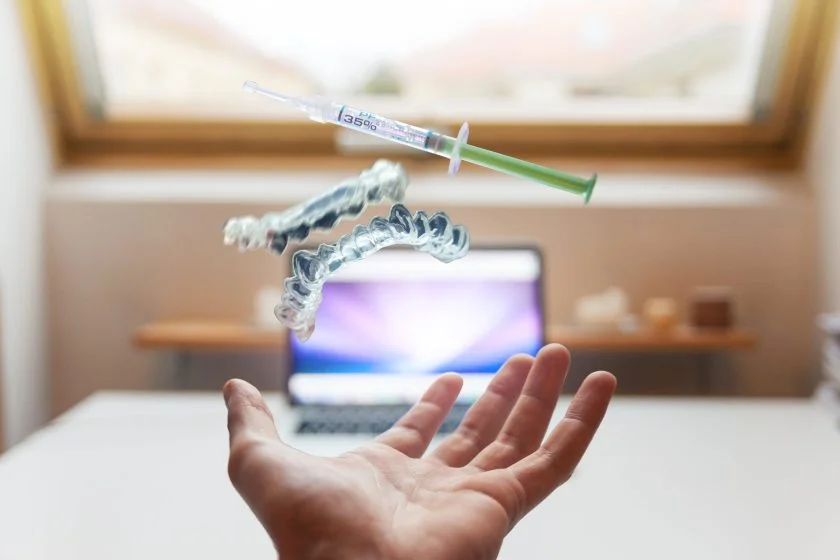
The introduction of Invisalign provided the dental market with an effective treatment option which used transparent and detachable orthodontic appliances. The Invisalign system utilizes custom-made clear plastic trays to create gradual tooth movement through its continuous and light-force treatment method.
The Major Advantages:
- Near-Invisibility: For many adults and image-conscience teens, the idea of being ‘invisible’ is the biggest advantage. You can go through treatment without the world even knowing you’re wearing an appliance.
- Lifestyle Flexibility: Removing the trays for meals means that you have zero restrictions on your diet. You can go ahead and enjoy your favorite foods without worrying about a dental emergency.
- Superior Hygiene: Removing the trays for meals means you can brush and floss just as you always have. This reduces the risk of staining or cavities that can happen with traditional braces.
- Enhanced Comfort: Smooth plastic replaces sharp metal brackets and wires, resulting in less discomfort for your cheeks and gums.
The Trade-offs: The success of Invisalign rests entirely on patient compliance. The trays need to remain in the mouth for a minimum of 22 hours per day to achieve treatment success. Your treatment time will increase significantly if you have a tendency to misplace items and you do not discipline yourself to return them after every snack.
- Near-Invisibility: For many adults and image-conscience teens, the idea of being ‘invisible’ is the biggest advantage. You can go through treatment without the world even knowing you’re wearing an appliance.
Which is right for You? Key Factors to Consider
Deciding between these two comes down to a few fundamental questions:
- Complexity: Is your case mild or severe? Your orthodontist will determine if your teeth need the heavy-duty leverage of metal wires.
- Discipline: Can you commit to wearing aligners for 22 hours a day, every single day? If the answer is “maybe,” then traditional braces are a more certain solution.
- Aesthetics: Is your work or social life such that a discreet look is a must? If so, then Invisalign is the hands-down winner.
- Budget: While costs are becoming more comparable, traditional braces still tend to be the more affordable option, though insurance can vary.
The Critical Role of the Orthodontist
The process of creating an end result depends more on the orthodontist’s skills than on the choice between plastic and metal materials. The orthodontist creates your smile design by assessing your bone structure to develop a treatment plan which includes tracking your progress and maintaining root health.
Final Verdict
The available options do not include any superior choice because each option provides a better match for your individual needs. Traditional braces serve as the ideal solution for individuals with complex bite problems who seek out “set it and forget it” treatment methods. The modern Invisalign treatment provides excellent results for people with mild-to-moderate crowding who want to achieve aesthetic results and enjoy unrestricted dietary choices.
The best way to decide is to see the data for yourself. I can assist you in two ways by helping you locate top-rated orthodontists in your area and showing you the method to verify your insurance coverage for these treatments.