Botox has become such a familiar name in cosmetic treatment that it’s easy to forget it’s just one tool in a much bigger toolbox. Plenty of patients start with Botox to smooth forehead lines or crow’s feet, then wonder what else might work alongside it. The short answer is yes, Botox pairs well with many other treatments. The longer answer involves understanding why certain combinations work so well together, and what to keep in mind before scheduling multiple procedures at once.
Why Combining Treatments Often Makes Sense
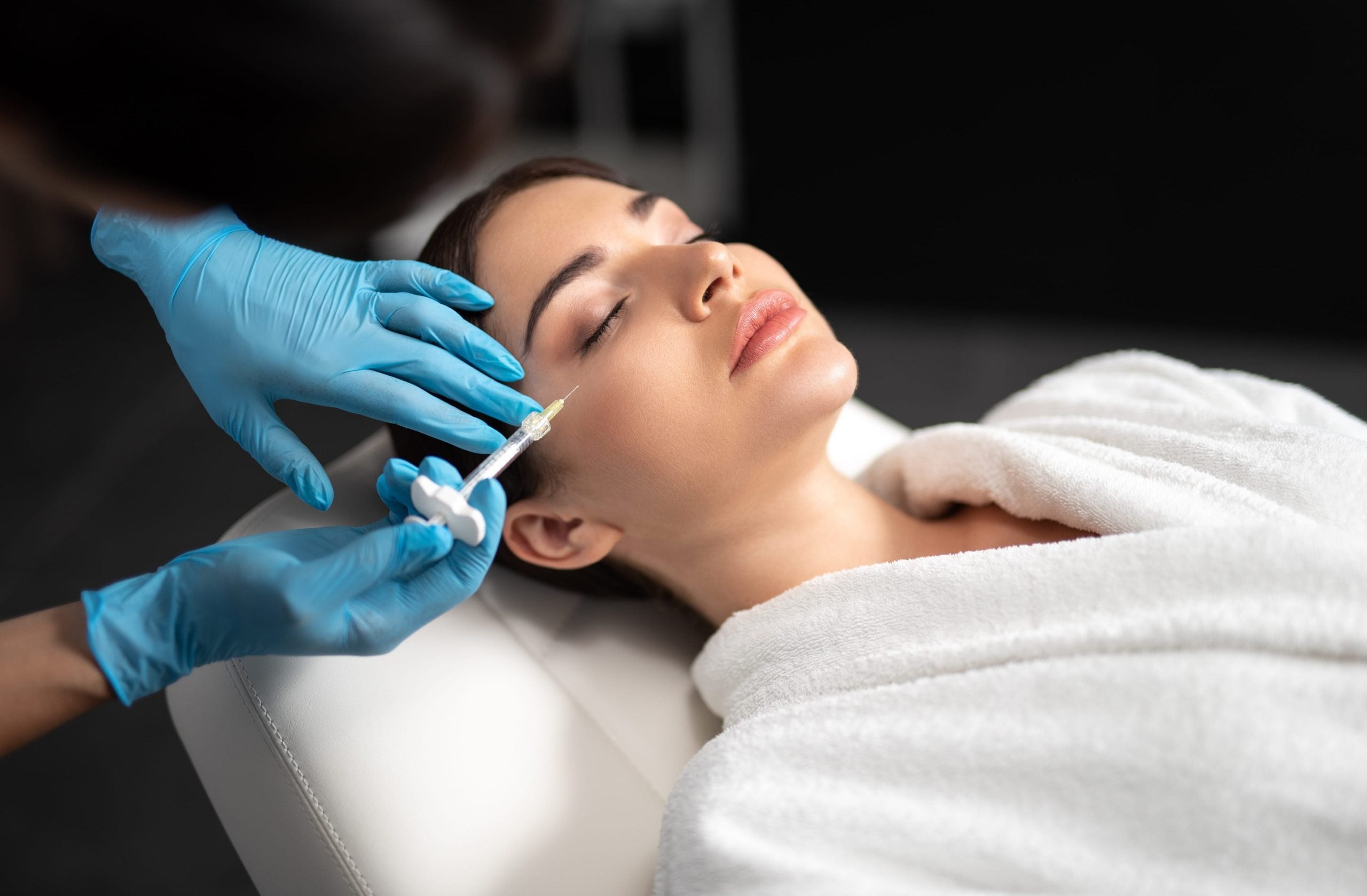
Botox works by temporarily relaxing specific muscles, which softens the wrinkles caused by repetitive facial movement, including frown lines, forehead creases, and crow’s feet. In cosmetic dentistry, Botox is also used to complement smile enhancement procedures by reducing excessive gum display, relaxing overactive facial muscles, and improving overall facial aesthetics. However, Botox doesn’t address volume loss, sun damage, or skin texture. That’s where other treatments come in.
Combining Botox with complementary cosmetic or cosmetic dentistry treatments often produces more balanced, natural-looking results than either option alone. A provider might use Botox to calm muscle movement in the upper face while addressing static wrinkles, lost facial volume, or smile aesthetics with a different treatment approach. Rather than treating the face as a single flat surface, this comprehensive strategy addresses the way the face naturally ages, with different concerns appearing in different areas, resulting in a more harmonious and refreshed appearance.
Popular Combinations Worth Knowing About
Botox and Dermal Fillers
This is probably the most common pairing in cosmetic offices. Botox handles dynamic wrinkles caused by movement, while dermal fillers restore volume in areas like the cheeks, lips, or under-eye hollows. Many patients get both in the same appointment, often referred to as a “liquid facelift” when done together strategically across the face.
The two treatments don’t interfere with each other because they work through different mechanisms. Botox relaxes muscle activity; fillers add structural volume beneath the skin. Used together, they can address both movement-related lines and the flattening or hollowing that comes with age.
Botox and Chemical Peels
Chemical peels improve skin texture, tone, and surface-level concerns like sun spots or mild scarring. Since peels work on the skin’s outer layers rather than the underlying muscles, they don’t conflict with Botox at all. Many providers actually recommend spacing these two out by a week or two, mostly to avoid unnecessary irritation on freshly treated skin, not because of any real safety concern.
Botox and Microneedling
Microneedling stimulates collagen production by creating tiny, controlled injuries in the skin. Some providers combine it with Botox to address both fine lines from muscle movement and overall skin quality. Because microneedling can cause some temporary swelling, most providers space this out from Botox injections by at least a few days to keep things comfortable and avoid any confusion about which treatment caused which reaction.
Botox and Laser Treatments
Laser resurfacing or laser skin tightening targets deeper skin concerns, like texture, pigmentation, or looser skin. Botox is often used beforehand to relax the muscles in areas being treated, which can actually improve laser results by keeping the skin still and reducing tension during the healing process.
What to Keep in Mind Before Combining Treatments
Timing matters more than people expect. Some combinations work well in the same visit, while others benefit from a short gap between appointments. This isn’t usually about safety risks between the treatments themselves, but more about giving the skin time to settle so a provider can properly assess results before adding something else into the mix.
It’s also worth being upfront with a provider about the full picture: any recent treatments, medications, or skin sensitivities. A provider who knows the complete history can sequence treatments in a way that minimizes irritation and maximizes results, rather than guessing.
Cost is another practical factor. Combining treatments can add up quickly, so it’s reasonable to ask for a full breakdown and a realistic sense of how many sessions might be needed for noticeable results.
Conclusion
Botox treatments rarely need to stand alone. Pairing Botox with fillers, chemical peels, microneedling, or laser treatments allows a provider to address multiple concerns at once, often with more natural, well-rounded results than a single treatment could offer. As always, the right combination depends on your individual goals, skin type, and how different areas of the face are aging. To achieve safe, personalized results, consult with the best provider who can evaluate your needs and recommend the most effective Botox treatments and complementary cosmetic procedures for your desired outcome.
Frequently Asked Questions
Is it safe to get Botox and fillers on the same day?
Yes, this is a common and generally well-tolerated combination. Many providers perform both treatments in a single appointment since they work through different mechanisms.
How long should someone wait between Botox and a chemical peel?
Spacing them out by one to two weeks is often recommended, mainly to avoid irritating freshly treated skin rather than for any interaction between the treatments themselves.
Does combining treatments increase the risk of side effects?
Not significantly, as long as a qualified provider sequences the treatments appropriately. Most side effects, like temporary redness or swelling, are treatment-specific rather than caused by combining procedures.
Can Botox be combined with laser treatments?
Yes. Botox is sometimes used before laser treatments to relax muscles in the treatment area, which can support smoother healing and more consistent results.
How does someone know which combination is right for them?
A detailed consultation is the best way to determine this. A provider can evaluate skin type, aging patterns, and personal goals before recommending a tailored treatment plan.