Modern dentistry has evolved significantly with the help of digital technology, making dental treatments more accurate, efficient, and comfortable than ever before. One of the most important innovations is computer-guided dentistry, which uses advanced imaging and planning software to help dentists perform procedures with exceptional precision. From placing dental implants to creating custom restorations, this technology reduces guesswork and allows for highly personalized care. Patients also benefit from shorter appointments, improved treatment outcomes, and a more comfortable overall experience. As digital dentistry continues to advance, computer-guided techniques are becoming an essential part of delivering safer and more predictable dental care.
What Is Computer-Guided Dentistry?
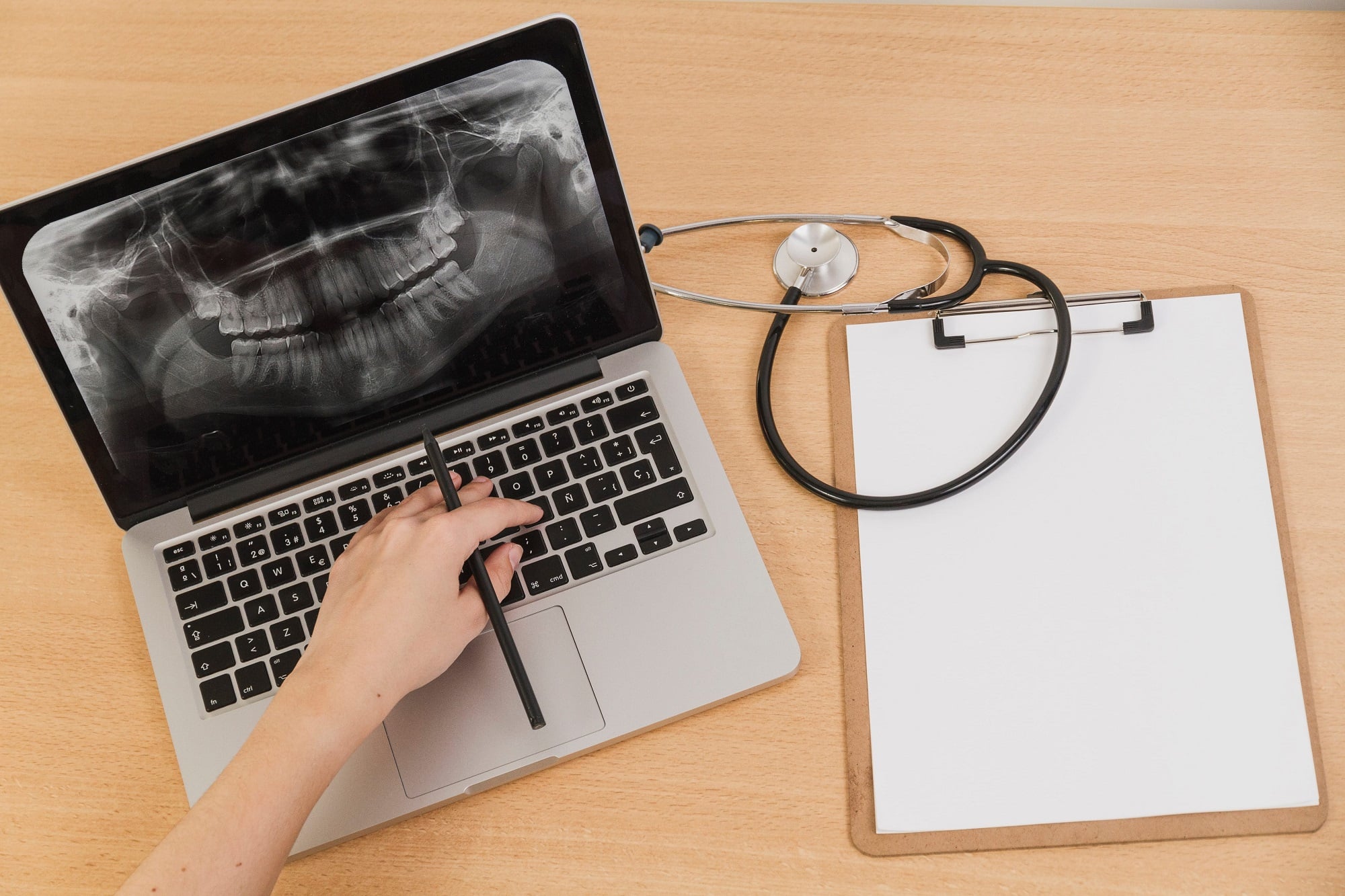
Computer-guided dentistry is a modern approach that combines digital imaging, three-dimensional scanning, and specialized planning software to assist dentists throughout the treatment process. Instead of relying only on traditional X-rays and manual impressions, dentists create a detailed digital model of your teeth, gums, and jaw. This virtual model allows them to evaluate your oral health from every angle and carefully plan each procedure before treatment even begins. By using this technology, dentists can improve accuracy while creating treatment plans that are tailored to each patient’s unique needs.
Benefits of Computer-Guided Dentistry
Greater Precision and Accuracy
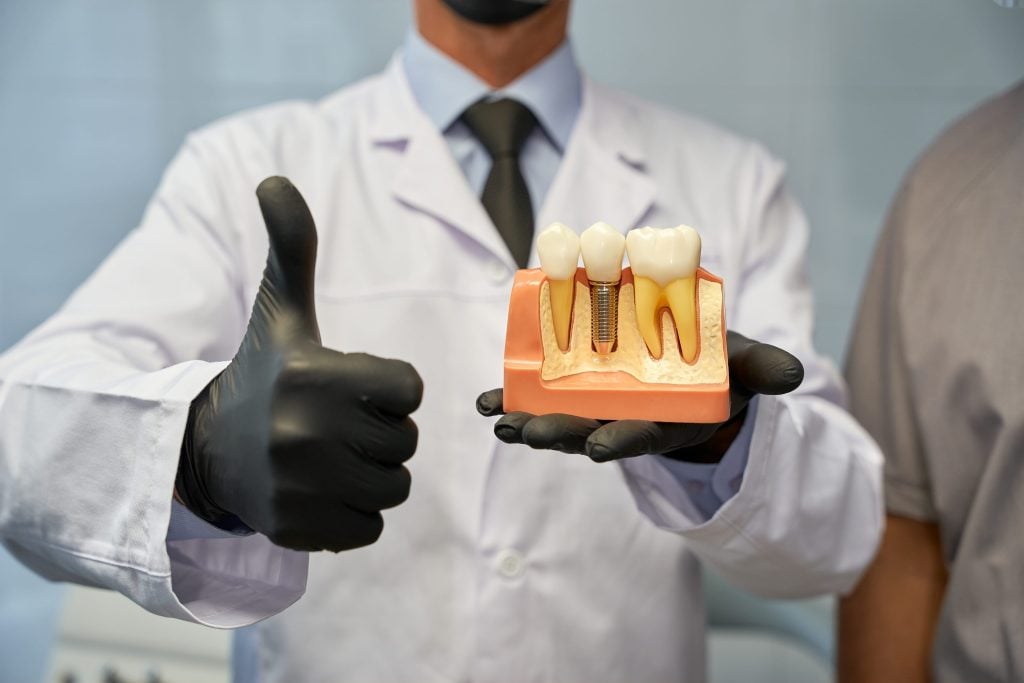
One of the greatest advantages of computer-guided dentistry is its ability to improve precision. Digital planning enables dentists to determine the exact location, depth, and angle needed for treatments such as dental implants or crowns. This level of accuracy helps preserve healthy tissues, improves the fit of restorations, and contributes to more predictable long-term results.
More Comfortable Procedures
Computer-guided dentistry often makes treatment more comfortable for patients. Digital scanners replace traditional impression materials that many people find messy or uncomfortable. Because procedures are carefully planned in advance, treatment can often be completed more efficiently, reducing time spent in the dental chair and minimizing unnecessary adjustments.
Faster Healing and Recovery
Accurate treatment planning can lead to less invasive procedures, particularly during dental implant surgery. Smaller incisions and precise placement reduce trauma to surrounding tissues, which may result in less swelling, reduced discomfort, and a faster healing process. Patients can often return to their daily activities sooner while enjoying a smoother recovery.
Better Treatment Planning
Digital technology provides dentists with a complete view of the patient’s oral anatomy. They can evaluate bone quality, tooth positioning, gum health, and nearby structures before beginning treatment. This comprehensive planning helps identify potential challenges early and allows the dentist to choose the safest and most effective treatment approach.
Improved Patient Communication
Computer-guided dentistry makes it easier for patients to understand their treatment options. Three-dimensional images and digital models allow dentists to visually explain dental conditions and recommended procedures. Patients can clearly see what is happening inside their mouths, helping them feel more informed and confident about their decisions.
Versatile Applications
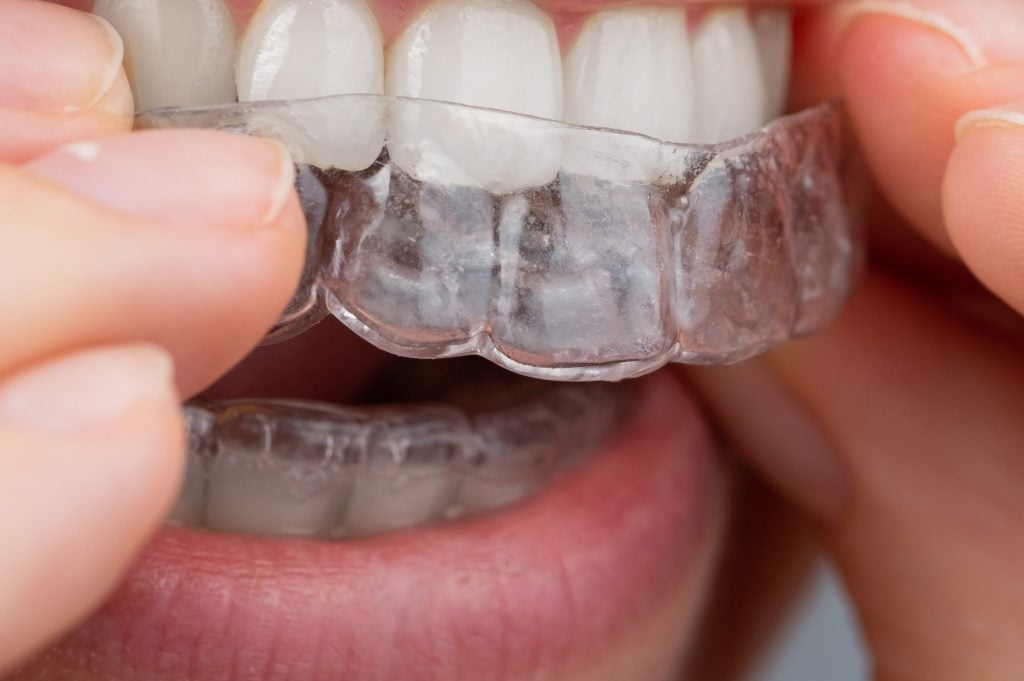
Although computer-guided dentistry is widely known for dental implant placement, it is also used for crowns, bridges, veneers, orthodontic treatment, full-mouth rehabilitation, and cosmetic smile design. The technology supports a wide range of dental procedures, improving both efficiency and treatment outcomes.
Is Computer-Guided Dentistry Right for Everyone?
Most patients can benefit from computer-guided dentistry, especially those who require restorative, cosmetic, or implant treatments. Your dentist will evaluate your oral health, medical history, and treatment goals to determine whether digital planning is the right choice for your specific needs. While some routine procedures may not require advanced technology, computer-guided techniques are becoming increasingly common because they improve precision, reduce treatment risks, and enhance patient comfort. Choosing a practice that incorporates digital dentistry can provide added confidence that your treatment is carefully planned and performed with the highest level of accuracy.
Conclusion
Computer-guided dentistry has transformed the way dental care is delivered by combining advanced digital technology with expert clinical skills. It allows dentists to plan treatments with exceptional accuracy while providing patients with a more comfortable and predictable experience. From precise diagnoses and customized treatment plans to faster recovery and improved communication, the benefits of this technology continue to improve both patient satisfaction and long-term oral health. As more dental practices embrace digital innovations, computer-guided dentistry is setting a new standard for safe, efficient, and high-quality dental care.
Frequently Asked Questions
1. What is computer-guided dentistry?
Computer-guided dentistry is a modern dental approach that uses digital imaging, 3D scans, and specialized software to plan and perform treatments with greater accuracy. It helps dentists create personalized treatment plans and achieve more predictable results.
2. What procedures can benefit from computer-guided dentistry?
Computer-guided dentistry is commonly used for dental implants, crowns, bridges, veneers, orthodontic treatment, full-mouth restorations, and certain oral surgery procedures. It improves precision across a wide range of dental treatments.
3. Is computer-guided dentistry more comfortable than traditional methods?
Yes. Digital scanners often replace messy traditional impressions, and advanced treatment planning allows procedures to be completed more efficiently. This can reduce chair time, minimize discomfort, and improve the overall patient experience.
4. Does computer-guided dentistry make dental implants more successful?
Computer-guided technology helps dentists place implants with exceptional precision by carefully planning the exact position, angle, and depth before surgery. This improves implant stability, supports better healing, and contributes to long-term success.
5. Is computer-guided dentistry safe?
Yes. Computer-guided dentistry is considered a safe and reliable technology when performed by a qualified dental professional. The detailed digital planning helps reduce risks and improves treatment accuracy.